Redline





What is Redline?
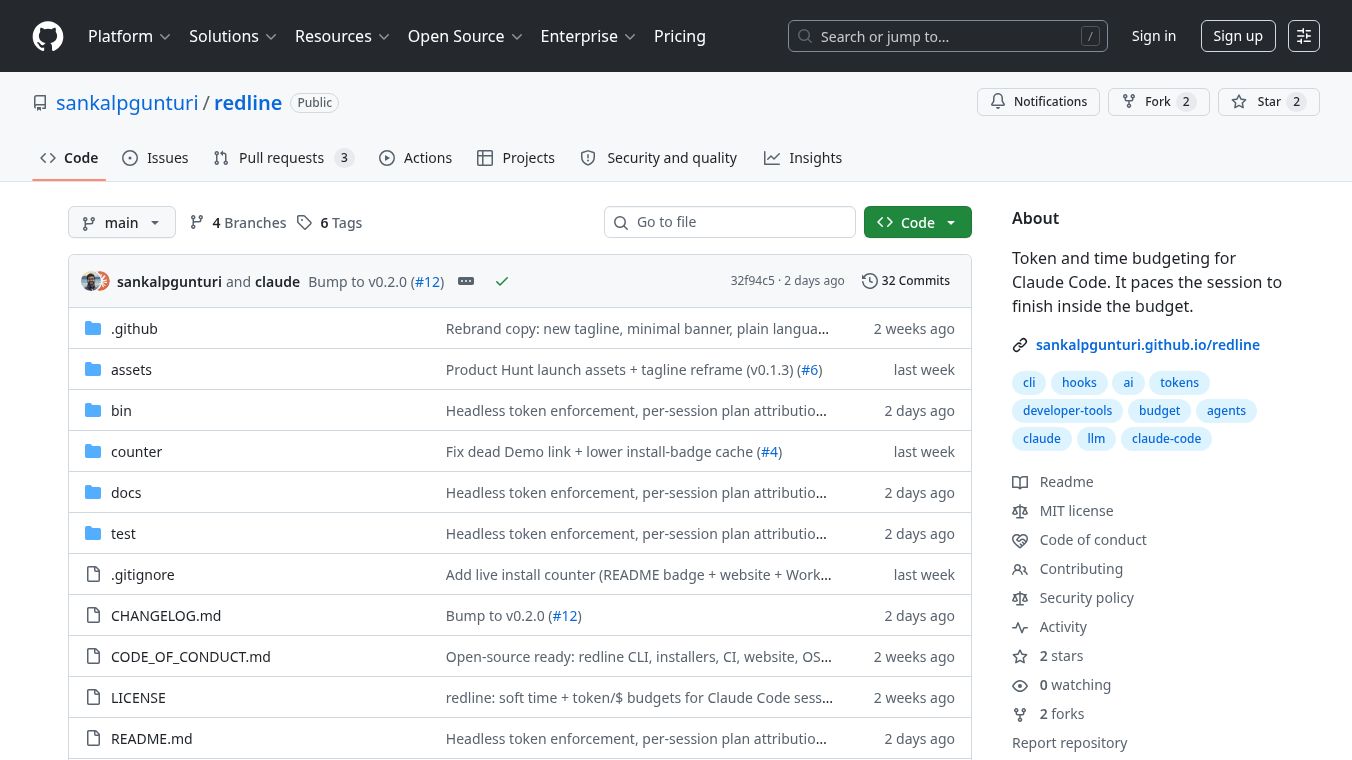
Redline is an open-source tool designed to help developers manage and monitor their Kubernetes clusters. It acts as a central dashboard that provides visibility into the health and performance of containerized applications. By using Redline, teams can get a clear picture of their infrastructure without needing to dig through complex logs or multiple monitoring tools. The project is hosted on GitHub and is maintained by the community, making it accessible for anyone interested in improving their Kubernetes operations.
Benefits
One of the main advantages of Redline is its ability to simplify cluster management. It offers a unified view of all resources within a Kubernetes environment, which helps teams spot issues quickly. Users can track metrics like CPU usage, memory consumption, and network traffic in real time. This real-time data allows for faster decision-making and reduces the time spent troubleshooting problems. Additionally, because Redline is open-source, users have full control over the code and can customize it to fit their specific needs. This flexibility makes it a strong choice for teams that want a tailored monitoring solution.
Use Cases
Redline is ideal for development teams, DevOps engineers, and system administrators who work with Kubernetes. It can be used in various scenarios, such as monitoring production environments, testing new applications, or managing large-scale microservices architectures. For example, a team launching a new app can use Redline to ensure the application runs smoothly and scales correctly under load. Another common use case is during incident response, where quick access to cluster metrics can help identify the root cause of a failure. Its ease of use also makes it suitable for smaller teams that need a lightweight monitoring tool without the complexity of enterprise-grade solutions.
Pricing
Redline is completely free to use because it is open-source software. There are no licensing fees or subscription costs associated with it. Users can download the code from GitHub and deploy it on their own infrastructure. This model makes it an attractive option for organizations of all sizes, from startups to large enterprises, as it removes financial barriers to entry.
Vibes
While there are no formal reviews or testimonials available in the provided information, the project has gained attention in the developer community for its practical approach to Kubernetes monitoring. The open-source nature of Redline encourages collaboration, with contributors from around the world helping to improve its features and reliability. Early adopters have praised its simplicity and the way it integrates seamlessly with existing Kubernetes setups. The active presence on GitHub suggests a growing interest and a supportive community behind the tool.
Additional Information
Redline is hosted on GitHub under the username sankalpgunturi. It is developed as an open-source project, which means the source code is freely available for anyone to view, modify, and distribute. This transparency fosters trust and allows the community to contribute to its development. There are no known partnerships or funding sources mentioned, but the project relies on community support and contributions to continue growing. Its focus on providing a straightforward monitoring solution positions it as a valuable resource for the Kubernetes ecosystem.
This content is either user submitted or generated using AI technology (including, but not limited to, Google Gemini API, Llama, Grok, and Mistral), based on automated research and analysis of public data sources from search engines like DuckDuckGo, Google Search, and SearXNG, and directly from the tool's own website and with minimal to no human editing/review. THEJO AI is not affiliated with or endorsed by the AI tools or services mentioned. This is provided for informational and reference purposes only, is not an endorsement or official advice, and may contain inaccuracies or biases. Please verify details with original sources.





Comments
Please log in to post a comment.