PDFino
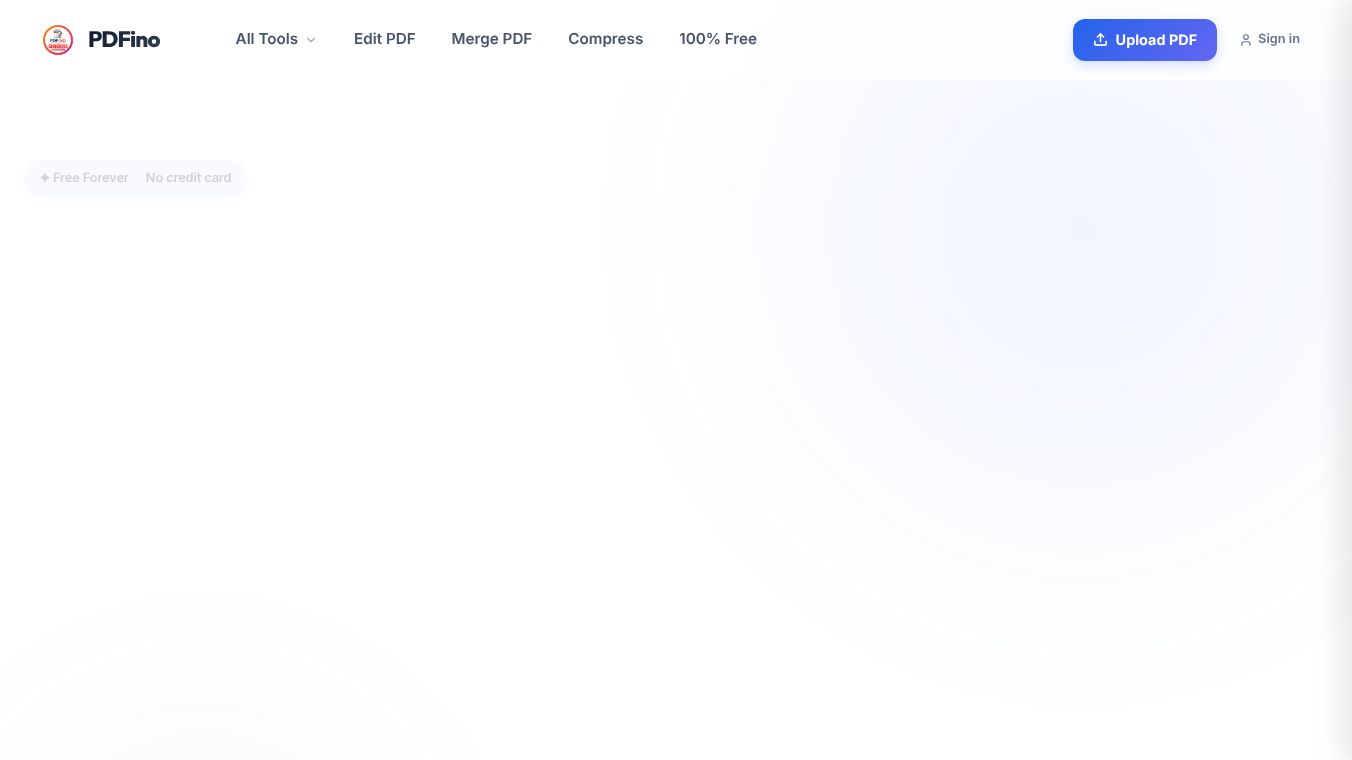





Safety Analysis of pdfino.online
Executive Summary
The websitepdfino.onlineis assessed asVery Likely Unsafewith a trust score of0. This assessment is based on multiple negative indicators, including a very young domain age, low traffic ranking, and specific reports of phishing activity. Users are strongly advised to avoid interacting with this site.
Key Risk Indicators
1. Phishing and Suspicious Classification
- IPQS Reports:The website has been explicitly reported by IPQS (Internet Protocol Quality Score) forphishingand has been classified assuspicious.
- Trust Score:The overall trust score is extremely low, serving as a strong indicator of potential scam activity.
2. Domain Age and Traffic
- Domain Age:The site is very young, having been set up only2 months ago(Registration Date: 2026-04-29).
- Tranco Rank:The website has a very low Tranco rank, indicating minimal traffic compared to other sites. While low ranking can be normal for new sites, combined with other factors, it is suspicious.
- Scanning Status:The website has not been scanned in more than 30 days, meaning the current safety data may not reflect real-time changes.
3. Technical Details
- SSL Certificate:The site possesses a valid SSL certificate issued by Let's Encrypt (Domain Validated). However, the presence of an SSL certificate does not guarantee legitimacy, as scammers frequently use them to encrypt data between the browser and the site.
- Hosting:The domain is parked on the Hostinger DNS system.
- ISP:Hostinger International Limited
- Country:Lithuania (LT)
- Name:HOSTINGER operations, UAB
- IP Addresses:The site targets multiple DNS parking targets with IPs located in the US (e.g., 172.64.52.46, 172.64.53.200).
Conclusion
Despite having a valid SSL certificate and fast website speeds, the combination of a very recent registration date, low traffic, and specific phishing reports from IPQS makespdfino.onlinea high-risk target. Users should exercise extreme caution and avoid entering any personal or financial information on this platform.
How to Protect Yourself After a Data Breach
If you suspect you have interacted with a suspicious site or received a notification about a data breach, immediate action is required to prevent financial loss and identity theft.
Immediate Steps to Take
- Verify the Breach:Confirm the breach notice through the company's official website before clicking any links in emails or messages.
- Secure Your Email:Your email account is the key to resetting passwords for other services. Secure it first.
- Change Passwords:Change the exposed password immediately. Also, update any other passwords that are similar or reused.
- Enable Multi-Factor Authentication (MFA):Activate MFA on email, banking, payment, cloud, and social accounts.
- Contact Financial Institutions:If payment or bank account details were exposed, contact your bank or card issuer immediately.
- Protect Credit:If sensitive identity information was compromised, consider freezing or protecting your credit.
- Watch for Follow-Up Scams:Be vigilant for phishing messages, fake refund offers, or scam websites that may use your leaked details to target you again.
Understanding the Scale
According to a 2024 report, the number of data breach victim notices has grown by a staggering211% year-over-year. This highlights the increasing prevalence of such threats.
Essential Tools for Online Safety
To mitigate risks, consider using the following tools:*ScamAdviser:Scans sites and blocks fraud calls automatically.*VPNs:Services like NordVPN, ExpressVPN, Surfshark, Proton VPN, and Private Internet Access offer strong encryption and no-logs policies to protect privacy.*Data Removal Services:Tools like Incogni can help remove personal data from data brokers to reduce scam risks.
Disclaimer: Some of the safety tools mentioned above are affiliate links. If you click them and make a purchase, a commission may be earned at no extra cost to you.
This content is either user submitted or generated using AI technology (including, but not limited to, Google Gemini API, Llama, Grok, and Mistral), based on automated research and analysis of public data sources from search engines like DuckDuckGo, Google Search, and SearXNG, and directly from the tool's own website and with minimal to no human editing/review. THEJO AI is not affiliated with or endorsed by the AI tools or services mentioned. This is provided for informational and reference purposes only, is not an endorsement or official advice, and may contain inaccuracies or biases. Please verify details with original sources.


Comments
Please log in to post a comment.