One HTTP request
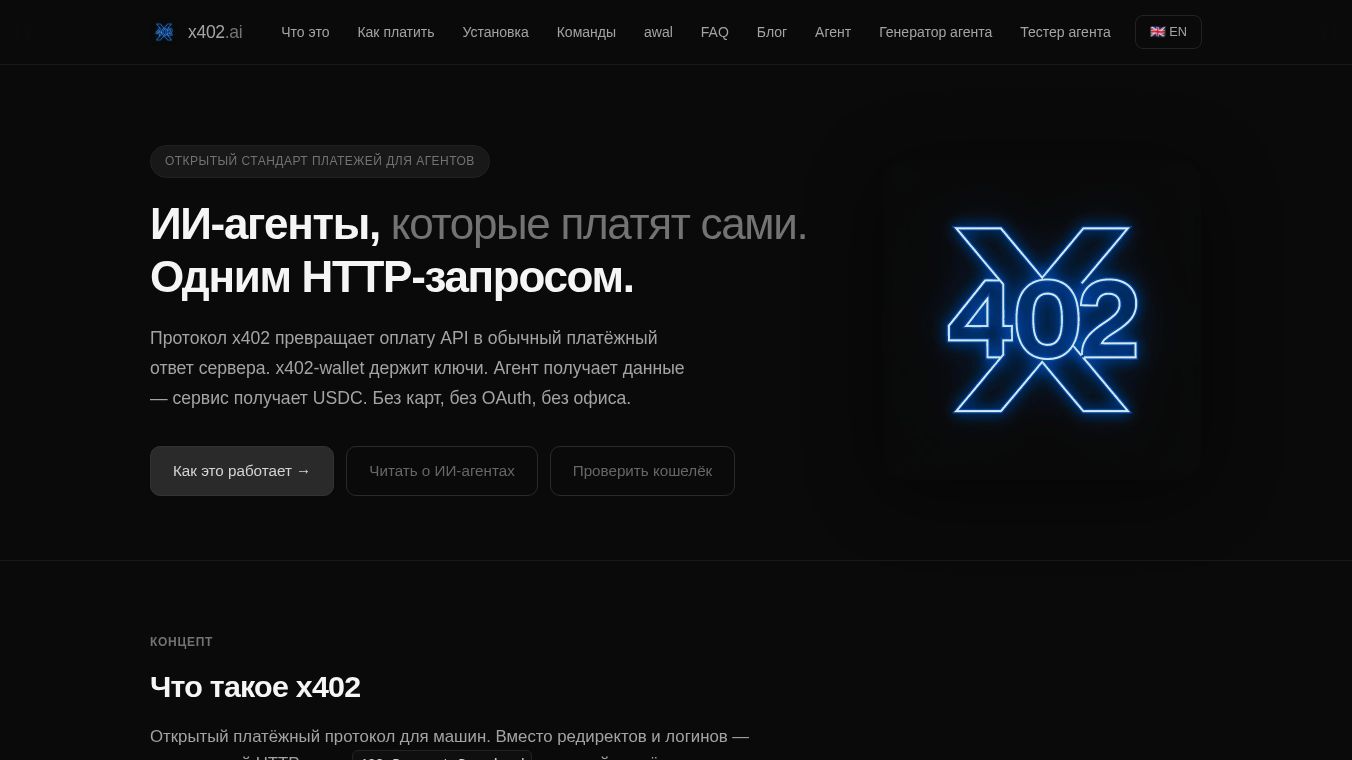





What is One HTTP Request?
Introduction
One HTTP request is a concept made possible by a new standard called x402. This standard allows machines to pay for services instantly without needing to set up accounts or share secret keys. Before this innovation, if a computer program wanted to use a paid service, it had to go through a long process of signing up and managing billing. With x402, a single request can include the payment, and the service is delivered immediately. This change is designed to help AI agents and other automated tools access the internet more easily.
Benefits
The main advantage of this system is that it removes the need for traditional billing setups. Users do not need to create accounts or store credit card information. Instead, they simply use a digital wallet with stablecoins like USDC. When a service charges for a task, the payment happens automatically as part of the request. This makes the process much faster and simpler. It also eliminates the need for third-party payment processors or API keys, which often complicate things for automated systems.
Another key benefit is that it works for very small amounts of money. Because the technology uses fast blockchain networks, it can handle micropayments that were previously too expensive or slow to process. This means users can pay for individual actions rather than paying for a monthly subscription or a large block of requests. It creates a fairer way for machines to access paid resources.
Use Cases
This technology is especially useful for AI agents. These are computer programs that can act on their own to complete tasks. An AI agent might need to call hundreds of different services to gather information or perform work. In the past, setting up billing for each of these services would be impossible for an autonomous agent. With x402, an agent can simply hold a wallet and pay for each service it uses as it goes. This allows for a true economy where machines can buy and sell services just like humans do.
A practical example is a file sharing service. A user might upload a file for free. Later, they might need to extend the time the file is stored. Instead of logging into a dashboard to pay, the agent can send a request to extend the file. If there is a fee, the system asks for payment instantly. The agent pays with a few clicks, and the file extension is granted. This works for any service that needs to charge per use, from data storage to API calls.
Pricing
Pricing for services using this system is flexible and depends on the specific provider. For example, a file storage service might offer free tiers for basic actions like uploading or checking file details. However, advanced features like extending the storage time might cost a small fee. In one example, extending a file for 30 days costs two USDC. The cost is clear and upfront, and the user pays only for what they need at that moment. There are no hidden monthly bills or complex pricing plans.
Vibes
The community sees this as a major step forward for the future of the internet. Experts believe that as more AI agents start using the web, a simple way to pay for services will become essential. This standard is viewed as the foundation for a new economy where machines interact freely and securely. Early adopters are building tools that make it easy for developers to integrate this payment method. The general feeling is that this will make the web more open and efficient for automated systems.
Additional Information
This standard was revived in 2025 by Coinbase. It builds on existing web protocols and stablecoins to create a lightweight payment system. The goal is to make per-request payments practical and secure. Several projects are already testing this technology. One such project is a server that allows agents to upload and manage files. It uses this standard to handle payments for extended storage. This shows that the technology is moving from theory to real-world use. As more services adopt it, it could become the main way machines pay for online services.
This content is either user submitted or generated using AI technology (including, but not limited to, Google Gemini API, Llama, Grok, and Mistral), based on automated research and analysis of public data sources from search engines like DuckDuckGo, Google Search, and SearXNG, and directly from the tool's own website and with minimal to no human editing/review. THEJO AI is not affiliated with or endorsed by the AI tools or services mentioned. This is provided for informational and reference purposes only, is not an endorsement or official advice, and may contain inaccuracies or biases. Please verify details with original sources.
Comments
Please log in to post a comment.