KlingVideo
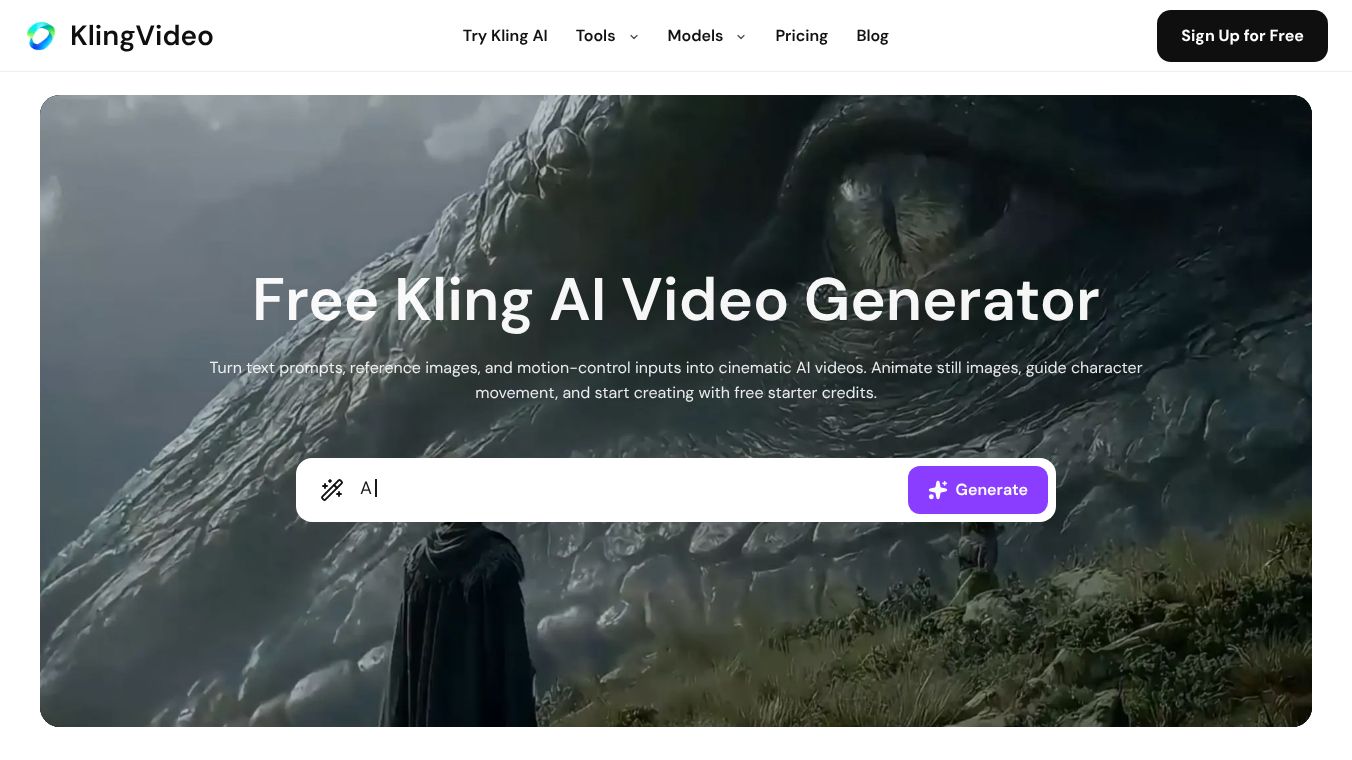





Kling AI Complete Guide (2026 Edition): Features, Pricing, and Competitor Analysis
What is Kling AI?
Kling AI is a powerful tool created by Kuaishou, the Chinese company behind TikTok. It acts as a Hollywood special effects studio that lives inside your web browser. Users can turn simple text descriptions or static images into high-quality video clips. As of late 2025, the platform has grown to serve over 60 million creators worldwide and has generated more than 600 million videos. It is designed to help people make professional-looking videos without needing cameras, actors, or expensive locations.
Benefits
Kling AI offers several key advantages that set it apart from other video tools. Its biggest strength is video length. While many competitors limit videos to 40 seconds or less, Kling AI can generate clips up to 3 minutes long. This is achieved by allowing users to extend shorter clips in a chain. The platform also introduced a major update in December 2025 called Kling 2.6. This feature allows the AI to create synchronized audio, including voiceovers, dialogue, and sound effects, all at the same time as the video. This saves creators from having to use separate tools for sound. The tool also includes a motion brush that lets users paint specific areas of an image to control exactly where movement should happen. This gives creators granular control over the scene. Additionally, the platform supports multiple camera controls like pan, tilt, and zoom to create cinematic shots.
Use Cases
Kling AI is best suited for specific types of content creation. It is ideal for social media platforms like TikTok, Instagram Reels, and YouTube Shorts because it handles the popular 5 to 10 second clip format perfectly. The multi-aspect ratio support means users can easily create content for vertical, horizontal, or square screens. Product marketing is another strong use case. Businesses can upload static photos of their products and turn them into dynamic video ads quickly. Directors and agencies also use the tool for concept visualization and storyboarding before filming begins. The platform handles stylized content well, making it a good choice for short-form animation, anime aesthetics, and motion graphics. However, users should be cautious when using it for professional film production that requires perfect character consistency across many shots. It is also not recommended for high-stakes corporate videos where every detail must be predictable.
Pricing
Kling AI uses a credit-based system where every video generation costs credits. Users can earn free credits daily, but paid plans offer more flexibility and rollover credits. The plans are structured as follows:
- Free Plan:Costs $0 per month. Users get 66 credits every day. These credits do not roll over to the next day. The maximum video length is about 30 seconds.
- Standard Plan:Costs $6.99 per month. This includes 660 credits per month and allows for 2-minute videos. This is best for casual creators who make 5 to 10 videos a month.
- Pro Plan:Costs $25.99 per month. This provides 3,000 credits and supports 2 to 3-minute videos. It is designed for regular creators who need 20 to 50 videos monthly.
- Premier Plan:Costs $64.99 per month. This offers 8,000 credits and is for heavy users or small teams.
- Ultra Plan:Costs $180 per month. This includes 26,000 credits and is aimed at agencies or those with very high volume needs.
In standard mode, a 5-second video costs 10 credits, while a 10-second video costs 20 credits. Professional mode costs 3.5 times more. Audio generation features cost about twice as much as standard video generation. Paid plan credits can roll over and remain valid for up to two years.
Vibes
User feedback on Kling AI is mixed but generally positive for specific needs. Many users consider it the best value option for creators who do not produce a massive volume of content. The ability to make longer videos and the improved physics simulation are frequently praised. However, the credit system is often criticized as confusing and frustrating. Some users report that videos get stuck at 99% or that failed generations still consume their credits. There are also ongoing discussions about data privacy because the company is based in China and subject to Chinese data laws. This concern is a recurring theme in professional discussions among users who handle sensitive information.
Additional Information
Kling AI was launched just 19 months before late 2025 and achieved an annualized run rate of $240 million. This rapid growth highlights its success in the market. The platform is built on Kling Video O1, which is described as the world's first unified multimodal video model. This engine combines text-to-video, image-to-video, reference-to-video, editing, and scene extension into one system. The company has also focused on improving audio capabilities with Kling 2.6, which supports world-leading Chinese voice generation alongside English support. These achievements have helped Kling AI become a major player in the AI video generation space.
This content is either user submitted or generated using AI technology (including, but not limited to, Google Gemini API, Llama, Grok, and Mistral), based on automated research and analysis of public data sources from search engines like DuckDuckGo, Google Search, and SearXNG, and directly from the tool's own website and with minimal to no human editing/review. THEJO AI is not affiliated with or endorsed by the AI tools or services mentioned. This is provided for informational and reference purposes only, is not an endorsement or official advice, and may contain inaccuracies or biases. Please verify details with original sources.


Comments
Please log in to post a comment.