Harbor
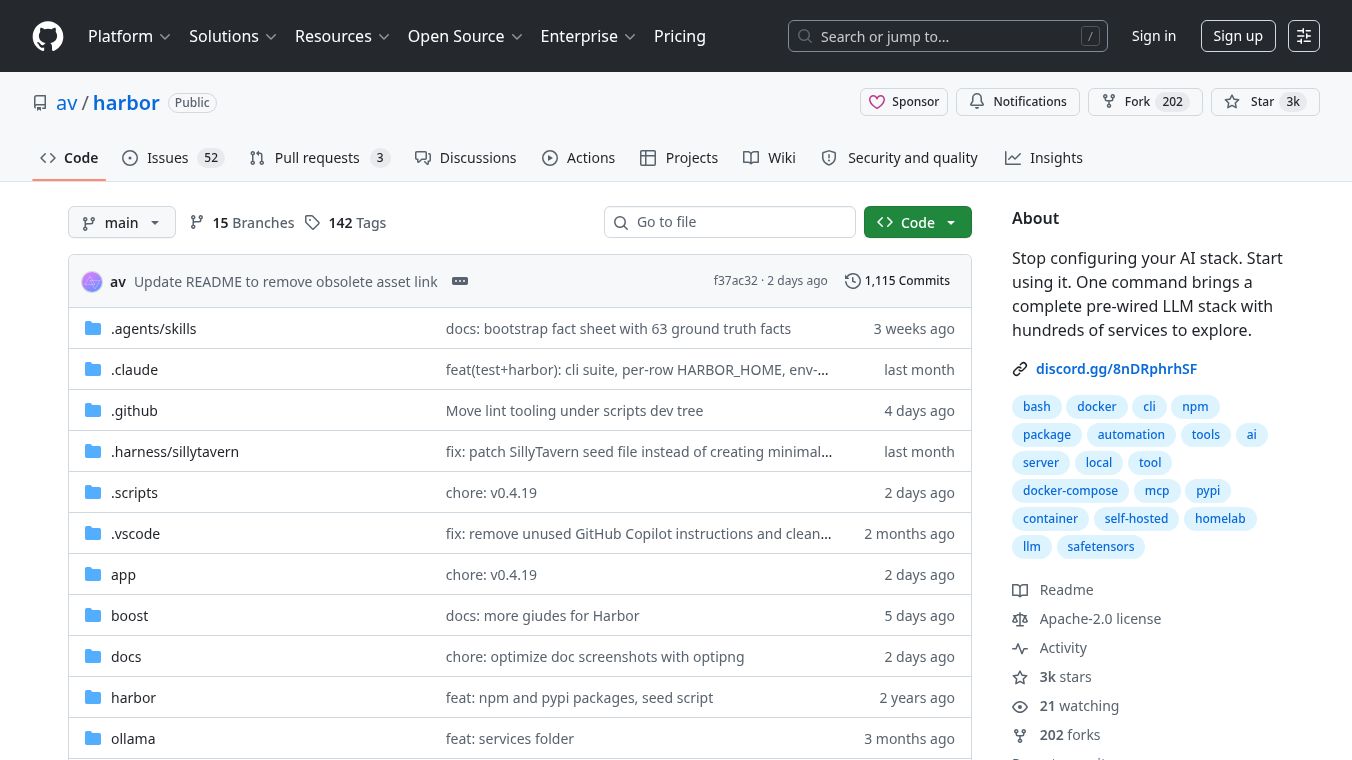





Harbor is an open-source tool designed to store, sign, and scan container images and Helm charts. It acts as a trusted cloud-native registry that extends the basic Docker Distribution system. By bringing the registry closer to where images are built and run, Harbor makes transferring data faster and more efficient. It includes essential features like security checks, user management, and detailed logging to help teams keep their software safe and organized.
Benefits
Harbor offers several key advantages for managing container images. It provides Role-Based Access Control, which lets administrators create projects and assign specific permissions to different users. This ensures that only authorized people can access sensitive repositories. The tool also supports Policy-Based Replication, allowing images to be automatically copied between multiple registry locations. This helps with load balancing and ensures high availability even if one server goes down. Security is a major focus, as Harbor regularly scans images for vulnerabilities and can block the deployment of unsafe code. It also supports signing images to guarantee their authenticity and prevents unsigned images from being used. Finally, it includes a graphical user portal that makes it easy for non-technical staff to browse and manage repositories without needing to write complex code.
Use Cases
Harbor is ideal for organizations that need a secure place to manage their container images and Helm charts. It works well for teams operating in hybrid environments that use both on-premise servers and cloud services. Companies with multiple data centers can use Harbor to replicate images across different locations to ensure business continuity. It is also suitable for enterprises that require strict identity management, as it can integrate with existing LDAP or Active Directory systems for user authentication. Developers can use the RESTful API to connect Harbor with other external systems for automation. The tool is particularly useful for teams that need to enforce security policies, such as preventing vulnerable images from being pushed to production environments. It is also a great choice for organizations that want to sign their images to prove their origin and integrity.
Pricing
Harbor is free to use. It is an open-source project available under the Apache License 2.0. There are no licensing fees or mandatory subscriptions required to deploy and run the software.
Vibes
The community around Harbor is active and supportive. The project holds regular bi-weekly calls where members discuss updates and share knowledge. Users can connect on Twitter, join email groups for developers and end-users, or participate in the official Slack channel for real-time discussions. The project has undergone a third-party security audit by Cure53, which builds trust among users who prioritize safety. Many users appreciate the ease of deployment through Docker Compose or Kubernetes operators, as well as the comprehensive auditing features that track every action taken within the system.
Additional Information
Harbor was developed by the GoHarbor team and is maintained by a dedicated community of contributors. The project adheres to Open Container Initiative distribution standards, ensuring compatibility with modern container ecosystems. Starting with version 2.15.0, all release artifacts are cryptographically signed using Cosign to verify their authenticity. The project is available for download from the official releases page and supports installation on Linux hosts and Kubernetes clusters. Detailed documentation covers architecture, API usage, and compatibility information for users who need deeper technical insights.
This content is either user submitted or generated using AI technology (including, but not limited to, Google Gemini API, Llama, Grok, and Mistral), based on automated research and analysis of public data sources from search engines like DuckDuckGo, Google Search, and SearXNG, and directly from the tool's own website and with minimal to no human editing/review. THEJO AI is not affiliated with or endorsed by the AI tools or services mentioned. This is provided for informational and reference purposes only, is not an endorsement or official advice, and may contain inaccuracies or biases. Please verify details with original sources.







 No Info
Comments
Please log in to post a comment.