Codewalk





Introducing Codewalk: Open-Source Codebase Intelligence with Blast Radius Context
Research context and background
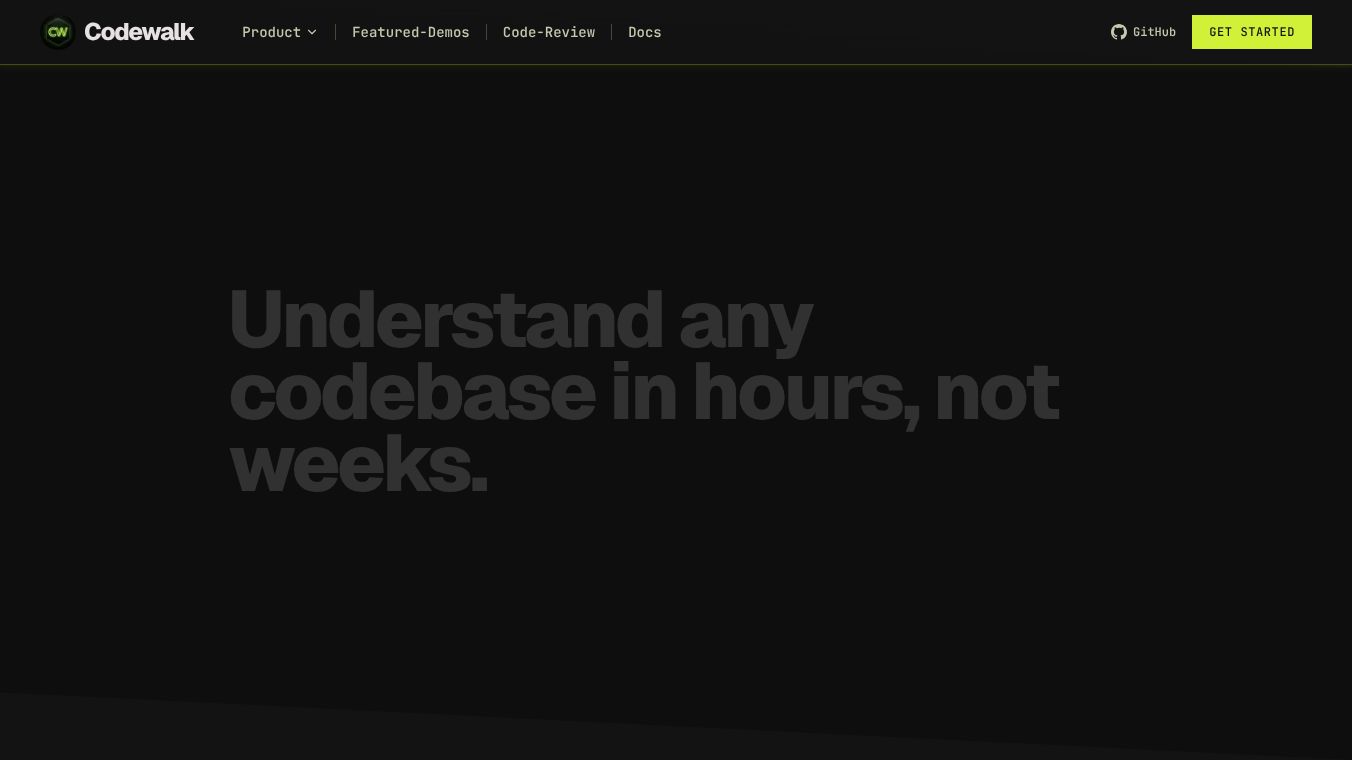
Software engineers often face a difficult problem during code reviews. A pull request might look fine on the surface because the code changes seem reasonable and tests pass. However, deeper risks often remain hidden. Teams struggle to know what other parts of the system depend on a specific file or if a change is safe. They also wonder if they are touching a critical part of the system or just an isolated piece. Codewalk was built to solve this gap. It is an open-source tool that acts as an intelligence layer for codebases. It analyzes a repository using real imports to build a dependency map. This map helps teams with code reviews, onboarding new engineers, planning refactors, and exploring code. Codewalk is free to use and is licensed under the MIT license. It is available on GitHub for anyone to inspect or self-host.
Benefits
Codewalk offers several key advantages for development teams. First, it provides a codebase model instead of just a simple text index. This model powers features like module detection and dependency graph building. The tool can answer the critical question of blast radius. This means it tells you what will break if you change a specific file. It also helps new engineers by suggesting a reading order so they understand what to study first. The tool uses graph intelligence to identify risky files and determine their importance in the system. For code reviews, Codewalk allows teams to review without waiting for a long indexing process. This is helpful for urgent tasks like hotfixes. When indexing is available, it provides richer insights by using architecture-aware context. Teams can also create custom review rules based on their language or framework preferences.
Use Cases
Codewalk fits into many daily engineering workflows. It is especially useful for new engineer onboarding. New team members can understand the module structure and reading order much faster. It also helps with refactor planning. Engineers can see the blast radius before touching shared code to avoid breaking things. For cross-team work, developers can understand an unfamiliar module without relying on tribal knowledge. During pull request reviews, the tool provides more than just local patch context. It shows how important a file is in the system and what the risks are. The tool can be used in three ways. Developers can use a local web interface for visual exploration. They can also use a REST API for scripts and CI/CD integration. Another option is to use an MCP server inside editors like VS Code or Cursor for a seamless experience.
Pricing
Codewalk is completely free to use. It is an open-source project licensed under the MIT license. This means teams can inspect the code, self-host the tool, and extend it as needed. There are no hidden costs or subscription fees. The project is hosted on GitHub where anyone can clone the repository and start using it immediately.
Vibes
The project community views Codewalk as a practical solution to a real problem. The landing page and documentation highlight its ability to bridge the gap between syntax and system risk. Users appreciate that it works on any git repository from the start. The fact that it does not require mandatory indexing for basic reviews is a major plus for teams dealing with legacy code or urgent fixes. The open-source nature of the project builds trust because the code is transparent and available for inspection. The tool is seen as a foundation that supports both deep architecture analysis and daily review workflows.
Additional Information
Codewalk is built on a strong technical foundation. It combines a dependency graph with graph analysis and semantic retrieval. The graph backend uses DuckDB and the igraph library for calculations. Search and chat features are powered by semantic retrieval and RAG technology. The review orchestration layer uses the intelligence data when available but can function independently if indexing is skipped. The project is maintained by the community and is available at the GitHub repository. Documentation and demos are also provided to help users get started quickly.
This content is either user submitted or generated using AI technology (including, but not limited to, Google Gemini API, Llama, Grok, and Mistral), based on automated research and analysis of public data sources from search engines like DuckDuckGo, Google Search, and SearXNG, and directly from the tool's own website and with minimal to no human editing/review. THEJO AI is not affiliated with or endorsed by the AI tools or services mentioned. This is provided for informational and reference purposes only, is not an endorsement or official advice, and may contain inaccuracies or biases. Please verify details with original sources.
Comments
Please log in to post a comment.