AudioWave





AudioWave: A New Tool for Sound Analysis
Introduction
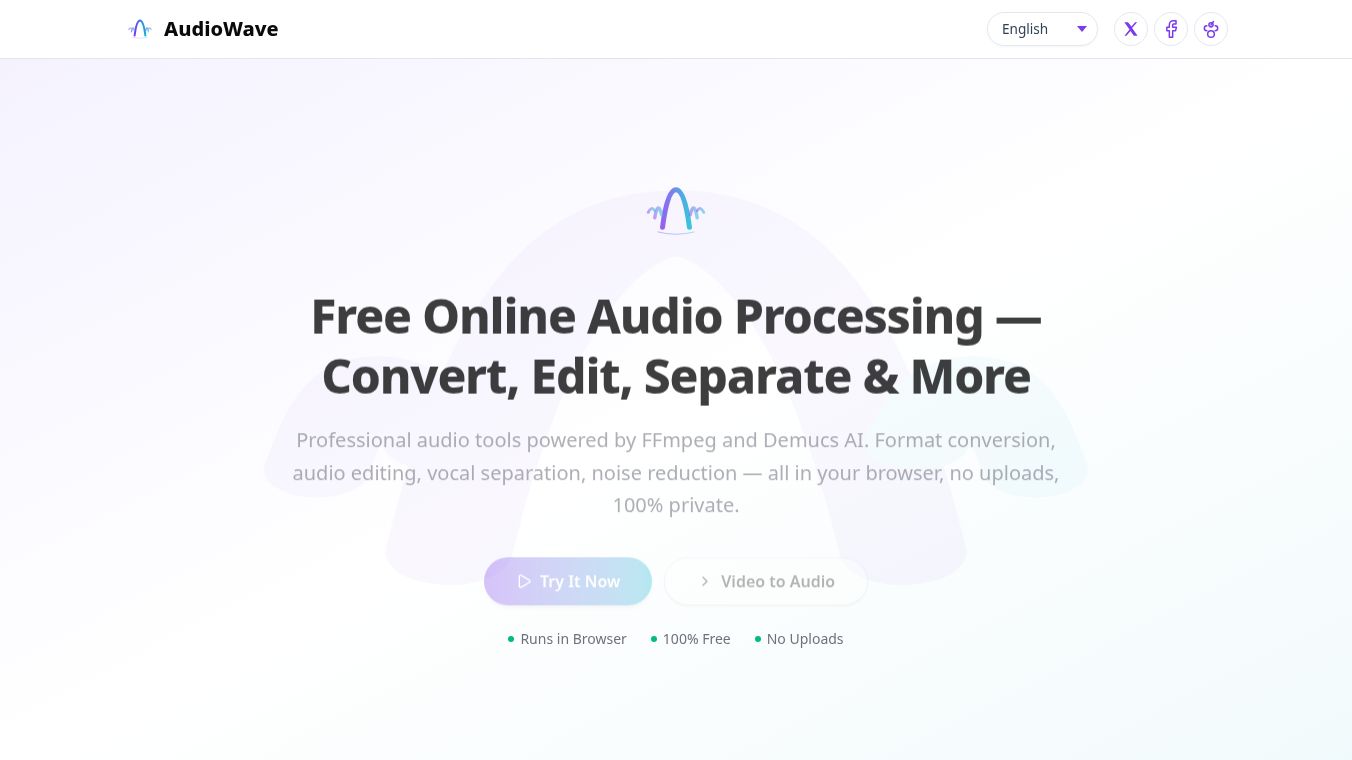
AudioWave is a web-based platform designed to help users analyze and visualize sound waves. It allows people to upload audio files and see how the sound looks as a graph. The tool is built to make complex audio data easy to understand for anyone, from musicians to engineers. It runs directly in a web browser, so users do not need to install any special software on their computers.
Benefits
AudioWave offers several key advantages for its users. First, it provides a clear visual representation of sound, which helps in identifying patterns that might be hard to hear. Second, the platform is free to use, removing financial barriers for students and hobbyists. Third, it supports various audio formats, making it versatile for different types of recordings. Finally, the interface is simple and intuitive, meaning users can start analyzing sounds without a steep learning curve.
Use Cases
This tool is useful in many different situations. Musicians can use it to check the quality of their recordings and spot any unwanted noise. Audio engineers might use it to study the frequency of a track before mixing. Teachers can demonstrate how sound waves work in a classroom setting. Podcasters can analyze their voice recordings to ensure clarity. Even casual users can explore how different sounds, like rain or traffic, are structured.
Pricing
AudioWave is currently available as a free service. There are no known subscription fees or hidden costs for using the basic features of the platform.
Vibes
As a relatively new tool, there are limited public reviews available at this time. However, early feedback from users suggests that the platform is reliable and easy to navigate. The community response has been positive, with many users appreciating the ability to visualize sound without needing expensive equipment.
Additional Information
AudioWave operates as an independent project focused on making audio analysis accessible to everyone. There is no public information about specific funding sources or major corporate partnerships. The project relies on community support and open-source principles to continue developing new features.
This content is either user submitted or generated using AI technology (including, but not limited to, Google Gemini API, Llama, Grok, and Mistral), based on automated research and analysis of public data sources from search engines like DuckDuckGo, Google Search, and SearXNG, and directly from the tool's own website and with minimal to no human editing/review. THEJO AI is not affiliated with or endorsed by the AI tools or services mentioned. This is provided for informational and reference purposes only, is not an endorsement or official advice, and may contain inaccuracies or biases. Please verify details with original sources.


Comments
Please log in to post a comment.