




The Ultimate Guide to Using AI for Students in 2026
Introduction: What "Using AI" Actually Means
Artificial intelligence is changing how students learn, but the tools available today are very different from what they were a year ago. In the past, students might have just asked a general chatbot to explain a concept. Now, there are dozens of specialized tools designed for specific school tasks. These tools can record and summarize lectures, analyze uploaded notes, solve math problems step by step, check the clarity of essays, and even generate practice questions. The most important rule is how students use these tools. Those who use AI to speed up their thinking and test themselves finish work faster and enter exams more prepared. On the other hand, students who let AI do all the thinking for them by copying and pasting answers are building bad habits. These habits will hurt them later in exams, interviews, and jobs where AI is not allowed. The core principle is simple: AI does not replace your thinking; it makes it faster. The goal is to use AI to think harder, not less.
Benefits
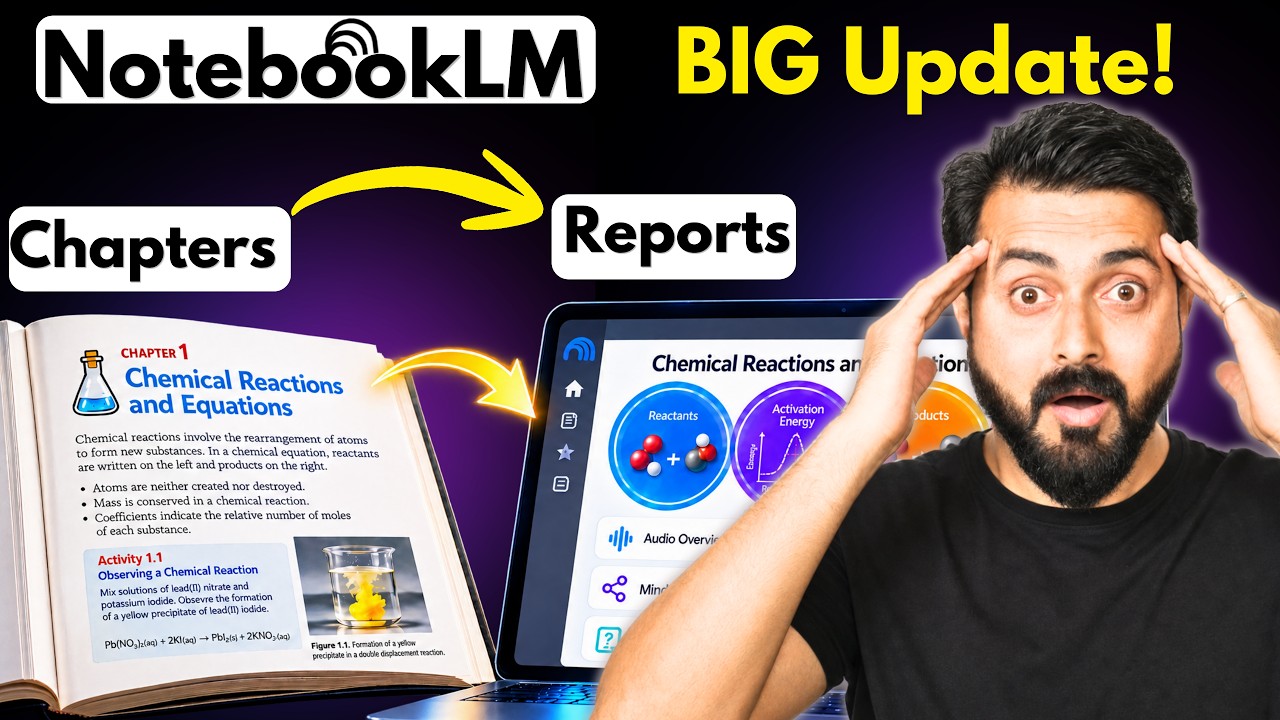
Using the right AI tools offers many advantages for students who want to improve their grades and study habits. First, it saves time. Tools like Otter.ai can transcribe and summarize live lectures, allowing students to search for specific keywords later instead of taking endless notes by hand. Second, it deepens understanding. Instead of just reading a textbook, students can upload their notes to tools like Google NotebookLM and have a conversation with the material. The AI can quiz them or explain complex theories using only the sources the student has read. Third, it helps with difficult subjects. For math and science, tools like Wolfram Alpha provide correct answers with full working steps shown, unlike general chatbots that might make calculation errors. Fourth, it improves writing skills. Tools like Grammarly catch grammar and tone issues in real time, while others help structure essays and find credible sources. Finally, it creates better study plans. Students can ask an AI to build a day-by-day revision schedule based on their exam dates and weak spots, providing structure that many students lack.
Use Cases
AI tools are useful in many different parts of the academic journey. For understanding concepts, students can use ChatGPT or Claude to explain difficult topics in plain language or to brainstorm ideas for an essay. When it comes to research, Perplexity AI is excellent because it cites sources inline, allowing students to verify claims and find peer-reviewed papers. For math and STEM subjects, Wolfram Alpha is essential for calculus, statistics, and physics because it uses a computation engine to ensure accuracy. In the writing process, students should use AI for planning and editing rather than writing the whole essay. They can ask for different angles on an argument, review their outline for logical flow, and get feedback on clarity. For exam preparation, students can generate flashcards, simulate timed practice tests, and quiz themselves on random topics to identify gaps in their knowledge. Organization is another key area where AI shines. Tools like Notion AI can turn messy notes into study guides and build revision schedules. Even creating presentations is easier with Canva AI, which helps students avoid spending too much time on formatting and more time on understanding the material.
Pricing
Most of the best AI tools for students offer free plans that require no technical expertise to use. ChatGPT provides access to powerful models like GPT-4o in its free tier. Otter.ai offers 300 minutes of transcription per month for free. Many universities also offer free access to premium versions of tools like Grammarly and Claude through their institutional licenses. Students should check with their IT department or school portal to see if they have free access to these services. While some advanced features may require a paid subscription, the core functionality needed for studying, writing, and research is often available at no cost.
Vibes
The general reception among students and educators is positive, provided the tools are used correctly. The consensus is that AI is a powerful tutor when used to accelerate thinking rather than replace it. Students who adopt a "stack" of specialized tools report finishing work faster and feeling more prepared for exams. However, there is a strong warning against using AI to cheat or avoid doing the work. Educators emphasize that relying on AI to generate essays or solve problems without understanding leads to surface-level knowledge that fails under pressure. The community agrees that the practical test for using AI is whether the student is actually learning. If the student is using AI to find explanations, test their rigor, and get feedback, it is seen as a legitimate and helpful tool. If they are using it to avoid thinking, it is viewed as a shortcut that will cause problems later.
Additional Information
The landscape of AI in education is evolving rapidly. In 2026, the focus has shifted from general-purpose chatbots to a curated ecosystem of specialized applications. Each tool serves a specific purpose, from analyzing academic papers with SciSpace to verifying research with Consensus. The recommended workflow suggests that students do not need fifteen different apps. A simple stack of three to five tools covers most workflows effectively. Common mistakes to avoid include treating AI output as absolute fact, outsourcing thinking tasks entirely, and using one tool for every possible task. Consistent use throughout the semester yields better results than panic usage before deadlines. The key is to verify all facts and citations independently because AI can sometimes generate incorrect information. By following these guidelines, students can leverage technology to enhance their learning experience without compromising their academic integrity.
This content is either user submitted or generated using AI technology (including, but not limited to, Google Gemini API, Llama, Grok, and Mistral), based on automated research and analysis of public data sources from search engines like DuckDuckGo, Google Search, and SearXNG, and directly from the tool's own website and with minimal to no human editing/review. THEJO AI is not affiliated with or endorsed by the AI tools or services mentioned. This is provided for informational and reference purposes only, is not an endorsement or official advice, and may contain inaccuracies or biases. Please verify details with original sources.

Comments
Please log in to post a comment.