AI Credits
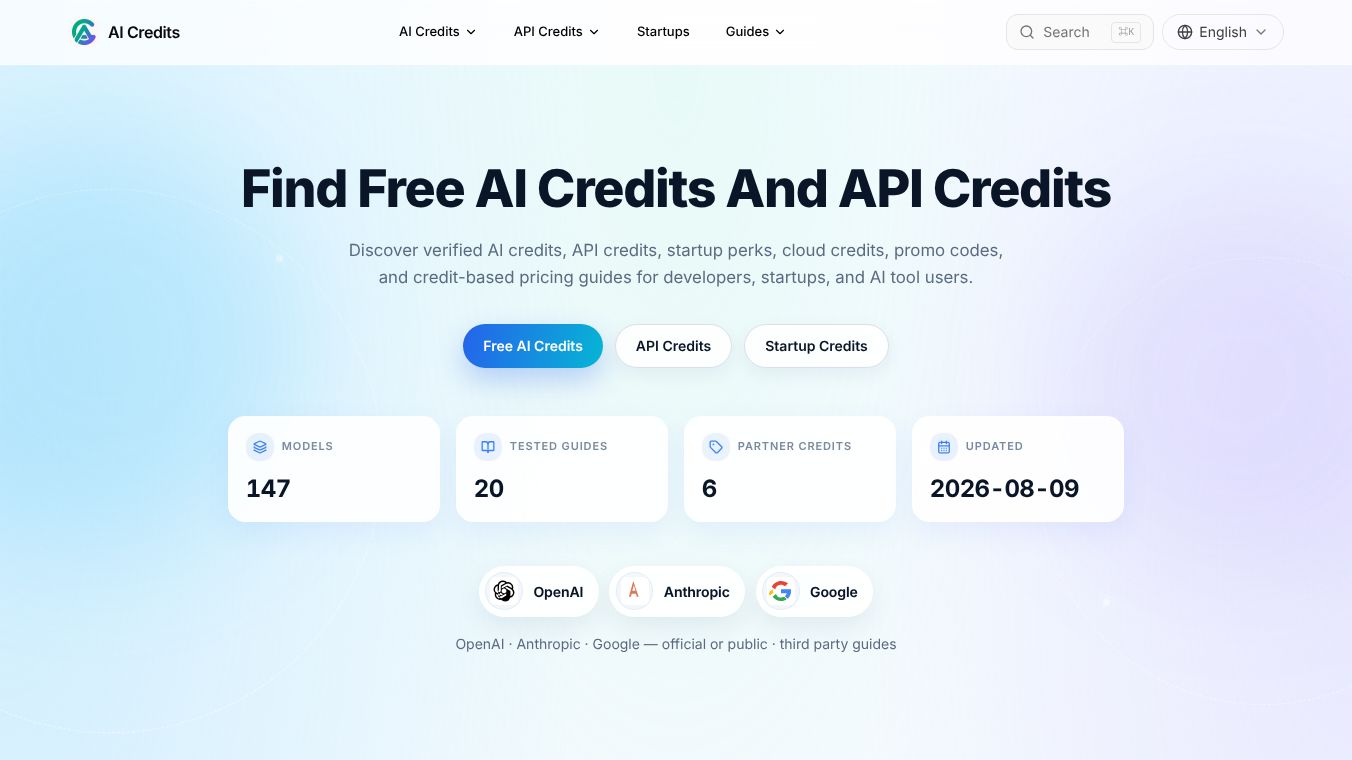





AI Credits: A Simple Guide to Managing AI Usage
Introduction
AI Credits are a special type of billing unit used by software companies to charge for artificial intelligence features. Instead of paying a flat monthly fee for unlimited use, customers pay based on how much they actually use the AI tools. This system turns complex technical actions, like generating text or creating images, into simple numbers that are easy to track and understand. It helps both the software company and the customer manage costs effectively.
Benefits
AI Credits offer several clear advantages for users and businesses. First, they provide transparency. Customers can see exactly how many credits they have left and how many actions they have taken. This makes it easy to plan their budget and avoid surprise bills. Second, the system is flexible. It allows users to start with a small amount of credits and buy more only when they need them. This is perfect for teams that do not use AI every day. Third, it helps control costs. Companies can set limits to prevent their AI usage from growing too fast and becoming expensive. Finally, it supports different types of users. A small team might get a few credits a month, while a large enterprise can buy thousands to run complex tasks.
Use Cases
AI Credits are used in many different situations where artificial intelligence is part of a software product. One common use case is content creation. Writers or designers might use credits to generate articles, write emails, or create images for marketing campaigns. Another use case is data analysis. Businesses might use credits to summarize long documents, extract key information from files, or run search queries to find specific data. Automation is also a big use case. Companies often use AI to automate repetitive tasks, and each automated action consumes credits. This system works well for startups testing new ideas, as well as large corporations running daily operations. It fits into subscription plans where a base fee includes some credits, and extra credits can be purchased separately.
Pricing
Pricing for AI Credits varies depending on the software provider and the specific plan chosen. Some companies include a set number of credits in their monthly subscription fee. For example, a basic plan might come with 100 credits per month. If a user needs more, they can buy additional bundles of credits. Other providers charge only for the credits used, without a monthly subscription. In these cases, the price is usually based on the complexity of the task. Simple text generation might cost less per credit than creating high-quality images or running complex code. Some plans also offer trial credits so new users can test the features before paying. The exact cost per credit is determined by the provider based on the computing power required for each task.
Vibes
While there are no specific customer reviews or testimonials about a single product called "AI Credits" in the provided text, the concept itself has gained strong support in the tech industry. Many software companies have adopted this model because it solves a real problem: unpredictable costs. Users appreciate the ability to monitor their usage in real time through dashboards that show their remaining balance. This visibility helps teams avoid running out of credits unexpectedly. The model is seen as fair because customers only pay for what they use. It also encourages innovation because teams can experiment with AI tools without worrying about a huge upfront cost. The general reception is positive, as it aligns the cost of the software with the actual value the customer receives.
Additional Information
The concept of AI Credits is becoming a standard practice in the SaaS industry as artificial intelligence tools become more popular. It allows companies to scale their infrastructure costs with their revenue. When a customer uses more AI features, the company spends more on computing power, so charging by the credit makes financial sense for both sides. This model works well with different pricing strategies, such as tiered plans where higher tiers get more credits, or shared pools where a whole team shares a credit budget. It also helps with enterprise contracts where large companies negotiate custom credit limits and usage rules. As AI technology evolves, credit systems will likely become even more important for managing the variable costs of running advanced AI models.
This content is either user submitted or generated using AI technology (including, but not limited to, Google Gemini API, Llama, Grok, and Mistral), based on automated research and analysis of public data sources from search engines like DuckDuckGo, Google Search, and SearXNG, and directly from the tool's own website and with minimal to no human editing/review. THEJO AI is not affiliated with or endorsed by the AI tools or services mentioned. This is provided for informational and reference purposes only, is not an endorsement or official advice, and may contain inaccuracies or biases. Please verify details with original sources.





Comments
Please log in to post a comment.