Agentic engineering in Jira





What is Agentic Engineering in Jira
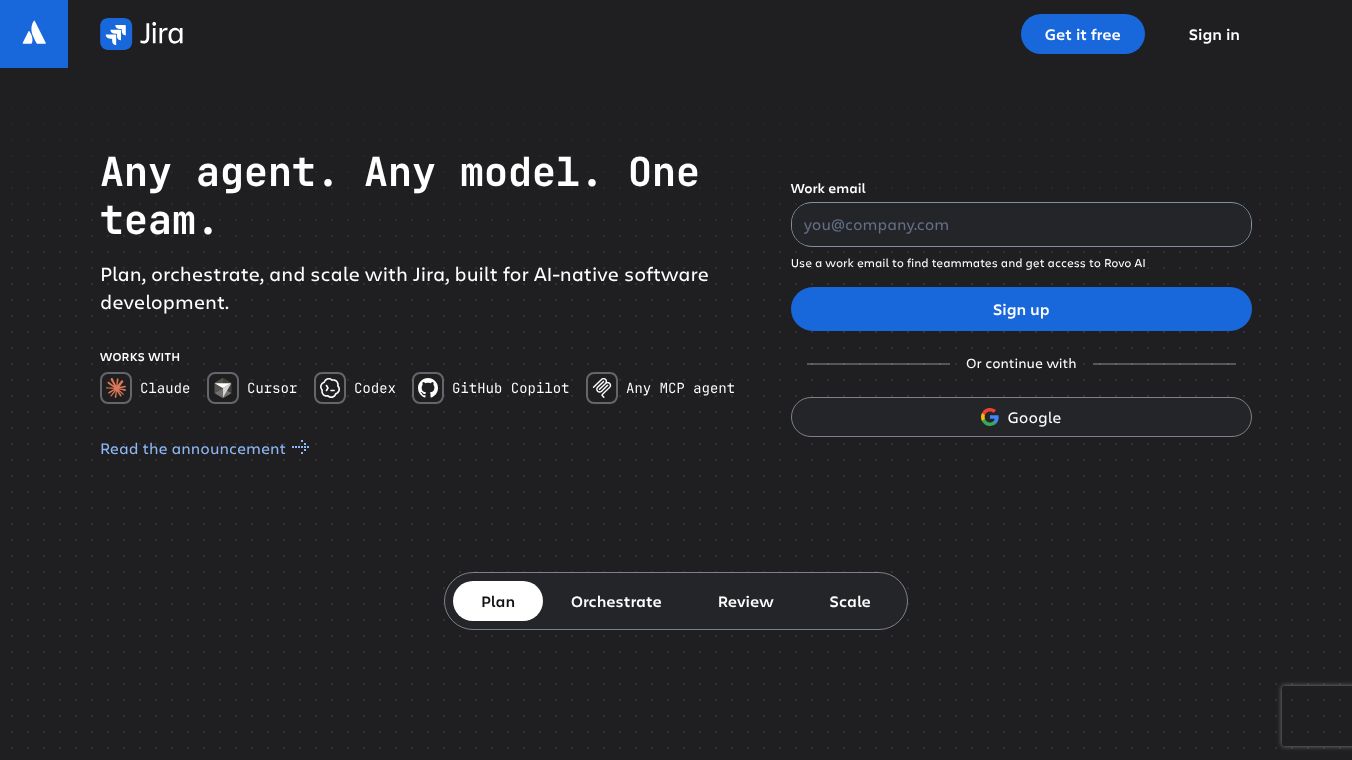
Agentic engineering in Jira is a new way to manage software development that uses artificial intelligence to handle complex tasks. Atlassian has updated its popular project management tool, Jira, to become a central hub for these AI workflows. Instead of just tracking simple tasks, teams can now assign, track, and review AI work directly inside the platform. This change helps organizations move from basic task lists to managing sophisticated development processes.
Benefits
The main advantage of this update is that it brings AI tools directly into the workflow where developers already work. Teams can connect Jira with popular AI coding tools like Claude Code, Cursor, GitHub Copilot, and OpenAI Codex. This connection allows engineers to use AI agents without leaving their familiar environment.
A key feature is the new Jira Coding Agent, which is included in every paid plan. This agent uses the information already stored in Jira to turn work items into ready-to-review code changes. Developers do not need to set up a local computer environment to run these tasks. They simply hand off a task to the agent, and the agent writes the code. This lets engineers focus on reviewing the final result instead of writing the initial draft.
Another major benefit is better planning. The updated Jira Planner pulls data from the codebase, Jira, and Confluence to create clear technical specifications. This makes it easier to move from planning to building an application. Teams also get a new cost management report that shows how much they are spending on AI tokens across different tools and projects.
Use Cases
This feature is designed for software engineering teams who want to automate more of their development work. For example, a team can use automation rules to handle bug fixes and updates in the background. Engineers only receive a notification when the AI agent finishes the work and a pull request is ready for review.
Teams can also use this system to streamline communication. The platform integrates with Slack to keep discussions about AI workflows organized. Users can also use Loom to record their screens and voice instructions. These recordings can be turned into action plans that AI agents can follow to complete specific tasks.
New project templates and a guided setup wizard help teams get started quickly. These tools allow organizations to set up agent-ready projects in just a few minutes. This makes it easy for teams of any size to adopt these new capabilities without a steep learning curve.
Pricing
The Jira Coding Agent is available on every paid plan for Jira. Specific pricing for the overall Jira subscription varies based on the number of users and the features selected. Teams can contact Atlassian or visit their pricing page to find the plan that fits their needs.
Vibes
Industry experts see this update as a major step forward. Ming Wu, head of engineering for DevAI at Atlassian, notes that Jira is evolving into a platform specifically designed for managing AI workflows. He believes this approach makes automation more reliable and reduces the number of tokens needed during development.
Mitch Ashley, a vice president at Atlassian, points out that while not every team will use AI agents the same way, their use in software development is inevitable. He emphasizes that the most important decision for organizations is choosing where to assign and govern this AI work. By using Jira as the central control center, teams can maintain human oversight while letting AI handle the heavy lifting.
Additional Information
Atlassian has introduced several new tools to support this shift. They have launched an Agentic Engineering project template to help teams organize their work. They also added a DX AI cost management report to give better visibility into spending. Furthermore, they have updated their command line interface to work better with Jira automation rules. These additions show a clear commitment to making AI a standard part of the software development lifecycle.
This content is either user submitted or generated using AI technology (including, but not limited to, Google Gemini API, Llama, Grok, and Mistral), based on automated research and analysis of public data sources from search engines like DuckDuckGo, Google Search, and SearXNG, and directly from the tool's own website and with minimal to no human editing/review. THEJO AI is not affiliated with or endorsed by the AI tools or services mentioned. This is provided for informational and reference purposes only, is not an endorsement or official advice, and may contain inaccuracies or biases. Please verify details with original sources.
Comments
Please log in to post a comment.