100+ Micro-SaaS & AI Niche Database


The Ultimate Guide to Micro SaaS Ideas for 2026
What is Micro SaaS?
Micro SaaS is a small software business designed to solve one narrow problem for a specific group of people. Unlike big software companies that try to grow very fast and need large teams, micro SaaS aims for steady and profitable income from a few hundred to a few thousand customers. These products are usually built and run by solo founders or tiny teams of one to five people. They focus on making money without needing huge amounts of outside funding. These businesses often start with less than $1,000 using modern tools.
Key Characteristics:*Focused Scope:Solves a single problem exceptionally well.*Niche Targeting:Serves specific industries or use cases.*Low Overhead:Minimal support and infrastructure needs.*Sustainable Revenue:Aims for steady, profitable recurring revenue.*Accessibility:Can be built with minimal capital (often under $1,000) using modern tools.
Why Micro SaaS is Booming in 2026
The barriers to building software have collapsed. No-code tools, AI-powered development assistants, and affordable cloud infrastructure allow solo founders to launch products in weeks. The market pattern is consistent: focused products built for niche problems convert and retain customers better than broad tools aimed at everyone.
Top Trends Shaping 2026:1.AI Integration:AI APIs have collapsed the cost of building features like summarization, classification, and support automation. Many successful ideas are AI-enhanced versions of proven categories.2.Niche Verticals:Buyers increasingly prefer narrow tools that do one job well over bloated platforms, especially in healthcare, real estate, and education.3.No-Code Maturity:Non-developers can now launch real subscription products, widening the founder pool beyond programmers.
Top Micro SaaS Categories and Ideas
1. AI-Powered Tools
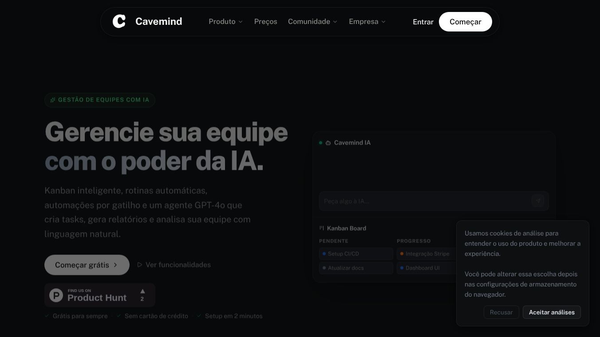
AI micro SaaS products use machine learning to automate tasks requiring human intelligence, commanding premium prices.*Generative Engine Optimization (GEO):Tools optimizing content for LLMs and answer engines (ChatGPT, Perplexity). Potential MRR: $10K-$25K.*AI Customer Service Bots:Automated support chatbots with GPT integration. Potential MRR: $15K-$22K.*Content Repurposers:Transform long-form content into social media posts, scripts, or blog outlines.*Legal/Resume Analyzers:Upload contracts for plain-English summaries or optimize resumes for ATS systems.*AI Coding Assistants:Generate full project scaffolds, UI screens, and API endpoints from natural language.
2. Productivity & B2B Tools
These tools help businesses save time and reduce costs, often featuring higher willingness to pay.*Client Portal Software:White-label portals for agencies and freelancers to share files and track projects. Potential MRR: $10K-$30K.*Invoice & Billing Automation:Automated invoice generation, reminders, and expense categorization. Potential MRR: $10K-$20K.*Meeting Cost Calculators:Calculate the real dollar cost of meetings based on attendee salaries.*Email Warm-up Tools:Tools to improve email deliverability and sender reputation. Potential MRR: $35K.*Meeting Notes & Transcription:Convert transcripts into organized action items with owner assignments.
3. Niche Vertical Solutions
Industry-specific software faces less competition because it requires domain knowledge.*Healthcare:Medical billing software, veterinary clinic management, mobile pet grooming schedulers.*Real Estate:Agent CRMs with property listing integration, niche job boards for specific industries.*Education:AI essay graders, mini-course builders, language learning tools with gamification.*Automotive:Auto repair software for scheduling and invoicing.*Fitness:Custom workout planners, meal planning tools, and online challenge trackers.
4. Developer & Creator Tools
Technical audiences are willing to pay for quality tools that save hours of work.*Mockup Generators:AI-powered tools for creating product mockups. Potential MRR: $12K-$18K.*API Services:Email verification, PDF generation, image optimization, and QR code generators with analytics.*Notion Template Services:Sell premium templates for specific professions with monthly updates.*Website Uptime Monitors:Monitor availability and show public status pages.*Changelog Generators:Automatically generate changelogs from Git commits.
5. Marketing & Growth Tools
- Influencer Marketing Platforms:Niche discovery and campaign management with authenticity scoring.
- Social Media Schedulers:LinkedIn post schedulers with engagement analytics for B2B professionals.
- Review Request Systems:Automate review collection across Google, Yelp, and industry platforms.
- Competitor Price Trackers:Monitor pricing changes and get alerts for e-commerce and SaaS companies.
How to Find and Validate Winning Ideas
Finding profitable ideas is about systematic problem discovery, not just brainstorming.
Validation Strategies:*Reddit Reconnaissance:Search subreddits for phrases like "Is there a tool that...", "How do you handle...", or "Frustrated with...". Recurring themes signal demand.*Review Mining:Read 1-star and 2-star reviews of existing tools to find gaps and frustrations.*Job Board Analysis:Look at job postings to understand what manual tasks are being hired for—these are automation opportunities.*The "Expensive Problem" Rule:Look for tasks where businesses spend significant money or time. If something costs $500/month in labor, people will pay $99/month for software that automates it.
Validation Checklist:1. Can you find 10 people with this exact problem?2. Are they currently paying to solve it (even with spreadsheets)?3. Can you reach them through specific channels?4. Is the market growing or stable?
Building and Launching
Tech Stacks for Solo Developers:*Full-Stack:Next.js + Supabase + Vercel (Auth: Clerk/NextAuth, Payments: Stripe).*Backend-Focused:Node.js + PostgreSQL + Docker (Hosting: Railway/Render).*Frontend-Focused:React + Firebase + Netlify.*No-Code:Bubble.io, Webflow, or Softr (using Airtable/Google Sheets as databases).
From Idea to Revenue:1.Find Ideas:Use the validated lists and niche reports.2.Validate:Build a landing page and test interest before writing code. Ideally, get pre-orders or waitlist signups.3.Build:Focus on the MVP (Minimum Viable Product) with the single core feature.4.Launch:Utilize communities like Indie Hackers, Product Hunt, and niche forums.
Success Stories
Real-world examples prove that micro SaaS doesn't need to revolutionize entire industries to be profitable:*Plausible Analytics:Privacy-focused Google Analytics alternative ($100K+/mo).*Carrd:Simple one-page site builder ($90K+/mo).*Bannerbear:Image/video generation API for developers.*Testimonial.to:Video testimonial collection tool.
Conclusion
Micro SaaS represents one of the most accessible paths to building a profitable software business in 2026. By focusing on narrow problems, leveraging AI, and utilizing modern no-code/low-code tools, solo founders can build sustainable businesses that generate meaningful recurring revenue without the pressure of venture-scale growth. The key is to start small, validate quickly, and solve a painful problem for a specific audience.
This content is either user submitted or generated using AI technology (including, but not limited to, Google Gemini API, Llama, Grok, and Mistral), based on automated research and analysis of public data sources from search engines like DuckDuckGo, Google Search, and SearXNG, and directly from the tool's own website and with minimal to no human editing/review. THEJO AI is not affiliated with or endorsed by the AI tools or services mentioned. This is provided for informational and reference purposes only, is not an endorsement or official advice, and may contain inaccuracies or biases. Please verify details with original sources.

Comments
Please log in to post a comment.