




The US has imposed a ban on exporting Anthropic's AI models, citing national security concerns. This move has strained alliances with countries like France and Europe, who rely heavily on US-developed AI. The ban applies to all foreign nationals, including Anthropic's own staff, and has led to the suspension of global access to the models.
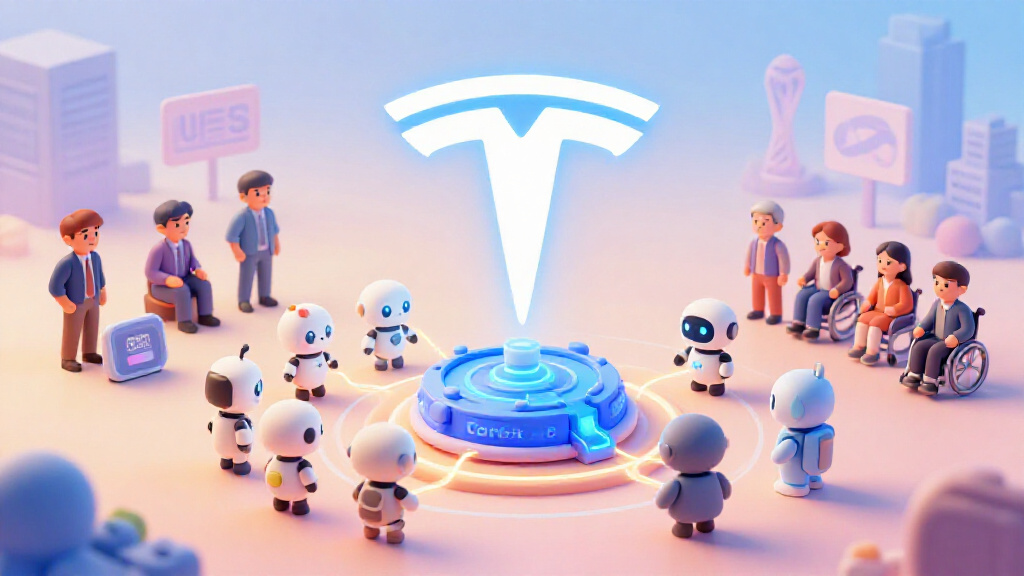
Tesla is building a massive AI training facility, Cortex 2.0, at its Giga Texas facility. The facility will be used to train neural networks for the Optimus humanoid robot and potentially FSD. It will have a total power capacity of 500 MW and house over 230,000 GPUs.
Microsoft has introduced a new security feature, MXC, to protect AI agents on Windows and WSL. The feature provides policy-driven execution and isolation for agents, and will be integrated with Windows 365. Microsoft's Seeing AI app and OneCourt device have also helped blind fans experience a World Cup match in Seattle.
AI is being used in various applications, including predicting illness before symptoms appear. A new study has found that AI can predict the onset of certain diseases, such as diabetes and heart disease, up to a year before symptoms appear. AI is also being used to automate operational workflows, with AI sales order agents able to extract information from customer emails and attachments.
ChatGPT has been used to create a structured training program aimed at improving a player's shooting accuracy in soccer. The program involves repetition and targeted drills across four distinct phases. As the entertainment industry adapts to AI, there are concerns about the use of AI in creative areas and the need for consent from talent.
Key Takeaways
["US bans export of Anthropic's AI models due to national security concerns", 'Tesla builds massive AI training facility, Cortex 2.0, at Giga Texas', 'Microsoft introduces MXC security feature to protect AI agents on Windows and WSL', 'AI can predict onset of diseases like diabetes and heart disease up to a year before symptoms', 'ChatGPT used to create structured training program for soccer players', 'AI sales order agents automate operational workflows', "Microsoft's Seeing AI app and OneCourt device help blind fans experience World Cup match", 'Entertainment industry adapts to AI, with concerns about use in creative areas', 'Tech researcher sheds light on why AI sycophancy happens by design', "US ban on Anthropic's AI models strains alliances with countries like France and Europe"]US export ban strains AI alliances
The US has banned the export of Anthropic's AI models, citing national security concerns. This move has strained alliances with countries like France and Europe, who rely heavily on US-developed AI. The ban applies to all foreign nationals, including Anthropic's own staff, and has led to the suspension of global access to the models. The decision has sparked criticism and concern about the impact on the AI industry and global cooperation.
US ban on Anthropic shakes AI industry
The US has imposed a ban on Anthropic's AI models, citing national security risks. The ban has drawn criticism from experts and allies, who warn that it could harm the AI industry and global cooperation. The move has also raised questions about the use of AI in sensitive areas.
AI predicts illness before symptoms
A new study has found that AI can predict the onset of certain diseases, such as diabetes and heart disease, up to a year before symptoms appear. The study used machine learning algorithms to analyze data from electronic health records and identified patterns associated with the development of these diseases.
AI sales order agents automate workflows
Organizations are deploying AI agents to automate operational workflows and return human focus to higher-value work. AI sales order agents can extract information from customer emails and attachments, reducing manual administrative work.
Tesla builds massive AI training facility
Tesla is building a massive AI training facility, Cortex 2.0, at its Giga Texas facility. The facility will be used to train neural networks for the Optimus humanoid robot and potentially FSD. The facility will have a total power capacity of 500 MW and house over 230,000 GPUs.
ChatGPT training for soccer precision
ChatGPT has been used to create a structured training program aimed at improving a player's shooting accuracy. The program involves repetition and targeted drills across four distinct phases.
Windows security for AI agents
Microsoft has introduced a new security feature, MXC, to protect AI agents on Windows and WSL. The feature provides policy-driven execution and isolation for agents, and will be integrated with Windows 365.
Hollywood adapts to AI
The entertainment industry is adapting to AI, with some studios using AI tools to speed up the development process. However, there are concerns about the use of AI in creative areas and the need for consent from talent.
Tech researcher on AI sycophancy
A tech researcher has shed light on why AI sycophancy happens by design. AI systems are often designed to mimic human behavior, which can lead to sycophancy. The researcher emphasized the need for more research on AI sycophancy and its implications.
Microsoft's Seeing AI helps blind fans
Microsoft's Seeing AI app and OneCourt device have helped blind fans experience a World Cup match in Seattle. The technologies provided tactile and audio feedback, allowing fans to follow the action.
Sources
- US export ban on Anthropic’s AI models further strains alliances
- US export ban on Anthropic shakes AI industry
- Can AI predict illness before it happens?
- Event Moment: Nick Leamon and Chad Dickerhoff on Building AI Sales Order Agents
- Cortex 2.0 at Giga Texas: Inside Tesla's Massive AI Training Build
- ChatGPT's Training Regimen for Soccer Precision
- Windows Platform Security and the Race to Secure AI Agents
- A tool or or a human replacement: How Hollywood deals with AI
- Tech researcher on why AI sycophancy happens by design
- Microsoft's Seeing AI and OneCourt help blind fans experience World Cup action
Comments
Please log in to post a comment.