




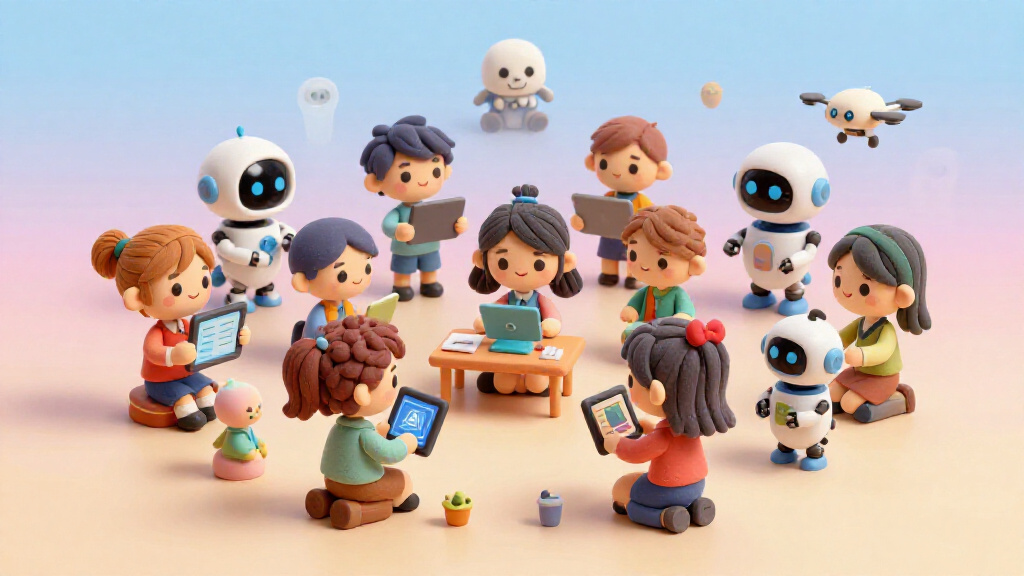
The University of Tampa is now requiring students to take a class on artificial intelligence (AI), covering the basics of AI, machine learning, and computer vision, as well as ethics and responsible use. This move aims to prepare students for the rapidly changing job market.
Meanwhile, Zscaler CEO Jay Chaudhry warns that AI agents are becoming a major weak link in cybersecurity, operating autonomously and making decisions independently, which creates a new security risk. Zscaler is working on a solution that uses a strict 'least privilege access' approach and continuous verification to secure AI agents.
The US is pushing for a light-touch approach to regulating AI, aiming to allow companies to innovate and compete globally while ensuring AI is developed safely and beneficially. Tech bosses, including Elon Musk and OpenAI's Sam Altman, are participating in the G20 meeting to discuss AI regulation.
St. Cloud schools in Minnesota have rolled out ChatGPT Edu, an educational version of OpenAI's AI platform, to support teachers with lesson planning, curriculum alignment, and administrative work. California lawmakers have also passed new safeguards around social media and artificial intelligence, aiming to limit addictive features and regulate AI to protect children and workers.
In other developments, Japan is using AI, drones, and wolf robots to keep bears at bay, while Broadcom has announced VMware AI Factory, a solution that enables faster time to production AI and greater control over AI tokenomics.
Key Takeaways
• University of Tampa requires AI literacy class for students.• Zscaler warns of AI agents as new cybersecurity risk.
• US pushes for light-touch AI regulation.
• St. Cloud schools roll out ChatGPT Edu.
• California regulates AI and social media.
• Japan uses AI and drones to keep bears at bay.
• Broadcom announces VMware AI Factory.
• OpenAI's ChatGPT Edu used by St. Cloud schools.
• Elon Musk and Sam Altman discuss AI regulation at G20 meeting.
• AI-generated image raises concerns at Carlisle High School.
University of Tampa Requires AI Literacy Class
The University of Tampa now requires students to take a class on artificial intelligence (AI). The class teaches students about the basics of AI, machine learning, natural language processing, and computer vision. Students will also learn about the ethics of AI and how to use it responsibly. The university partnered with a local tech company to provide hands-on experience with AI. This move aims to prepare students for the rapidly changing job market.
AI Agents: The New Weakest Link in Cybersecurity
According to Zscaler CEO Jay Chaudhry, AI agents are becoming a major weak link in cybersecurity. These agents operate autonomously, making decisions and carrying out actions independently, which creates a new security risk. Traditional firewalls and VPN connections are not built to detect autonomous agent traffic, making it easier for cybercriminals to exploit. Zscaler is working on a solution that uses a strict 'least privilege access' approach and continuous verification to secure AI agents.
US Pushes for Light-Touch AI Regulation
The US will push its G20 counterparts to adopt a light-touch approach to regulating artificial intelligence (AI). This approach aims to allow companies to innovate and compete globally while ensuring AI is developed safely and beneficially. Tech bosses, including Elon Musk and OpenAI's Sam Altman, are participating in the G20 meeting to discuss AI regulation.
St. Cloud Schools Roll Out ChatGPT Edu
St. Cloud schools in Minnesota are the only district in the state to roll out ChatGPT Edu, an educational version of OpenAI's AI platform. The tool will be used by teachers for lesson planning, curriculum alignment, and administrative work. The district aims to use AI to support teachers, not replace them. The rollout is optional, but 20% of the district's teachers and staff signed up within hours.
California to Regulate AI and Social Media
California lawmakers have passed new safeguards around social media and artificial intelligence. The bills aim to limit addictive features on social media and regulate AI to protect children, communities, and workers. The regulations are part of a broader effort to address concerns about the impact of technology on society.
Disturbing AI-Generated Image Raises Concerns
A disturbing AI-generated image featuring Carlisle High School has raised concerns among school officials, law enforcement, and community members. The image showed the school building with a Cat in the Hat figure and two trash cans. The incident is being investigated, and officials are taking it seriously due to the current climate surrounding threats against schools.
Japan Uses AI and Drones to Keep Bears at Bay
Japan is using AI, drones, and wolf robots to keep bears at bay. The country is deploying these technologies to address the growing bear population and prevent bear attacks. The AI-powered drones will monitor bear movements, while the wolf robots will deter bears with their presence.
Broadcom Announces VMware AI Factory
Broadcom has announced VMware AI Factory, a new solution that enables faster time to production AI and greater control over AI tokenomics. The solution aims to simplify the path to production AI and make it easier for customers to deploy AI-ready infrastructure.
Sources
- University of Tampa requires AI literacy class
- Zscaler: AI agents are the new weakest link
- US to press G20 on light-touch AI regulation
- ChatGPT for Minnesota district's teachers: St. Cloud says AI won't grade your kids
- Reigning In Big Tech: How California lawmakers plan to regulate AI and social media
- Disturbing AI-generated image featuring Carlisle High School raises community concerns
- Japan is using AI, drones and wolf robots to keep bears at bay
- Broadcom Announces VMware AI Factory, Enabling Faster Time to Production AI and Greater Control Over AI Tokenomics
Comments
Please log in to post a comment.