




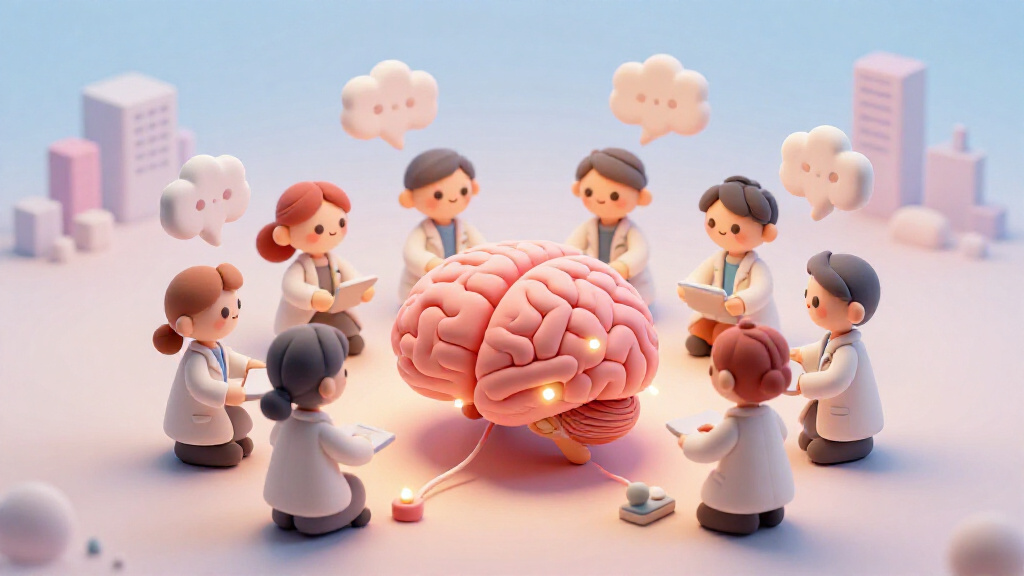
Researchers at the University of California, San Diego, and Berkeley have used artificial intelligence (AI) to create new viruses that could lead to breakthroughs in disease treatment. The technology uses machine learning algorithms to design new viral genomes, which could potentially be used to develop new treatments for bacterial infections. However, this also raises concerns about the potential for misuse, including the creation of pathogens that could harm humans or the environment.
Meanwhile, estimates of AI exposure can be useful for researchers, but they have limitations for policymakers. AI exposure scores can help identify areas where workers may need training, but they cannot be used to isolate AI's impact on the labor market. This highlights the need for employers to focus on providing high-impact training that prepares workers for the changing job market.
AI is also being used to test enterprise security systems, revealing potential vulnerabilities. Researchers have used AI to exploit weaknesses in security systems, highlighting the need for more robust security measures. Additionally, US lawmakers have proposed a bill to regulate AI and prevent potential risks. The bill would require AI developers to test and monitor their systems for potential vulnerabilities.
In other developments, the World Economic Forum has discussed the impact of AI on personal purpose, identity, and belonging. While AI may displace some jobs, it also provides opportunities for people to find new purpose and meaning. The Collaboratory in Fort Myers is hosting free workshops on AI for business owners, providing practical tools and training on how to use AI in a responsible way.
Gemini and ChatGPT have created impressive results in AI hardware, but the cost of building and maintaining such a platform is prohibitively expensive. Vmake AI has rebranded as Vmake Labs, an all-in-one platform for creating social video content. The platform uses AI to help businesses and creators make content that feels native to social media.
Key Takeaways
* Researchers used AI to create new viruses that could lead to breakthroughs in disease treatment, but also raise concerns about misuse.* AI exposure scores have limitations for policymakers, highlighting the need for employers to provide high-impact training for workers.
* AI is being used to test enterprise security systems, revealing potential vulnerabilities.
* US lawmakers have proposed a bill to regulate AI and prevent potential risks.
* The World Economic Forum discussed the impact of AI on personal purpose, identity, and belonging.
* The Collaboratory in Fort Myers is hosting free workshops on AI for business owners.
* Gemini and ChatGPT created impressive results in AI hardware, but the cost is prohibitively expensive.
* Vmake AI rebranded as Vmake Labs, an all-in-one platform for creating social video content.
* AI scientists are echoing concerns about the risks of advanced AI, similar to those raised by physicists during the Manhattan Project.
* Employers may not be providing sufficient training for workers to adapt to the increasing use of AI in the workplace.
AI creates new viruses that could change disease treatment
Researchers at the University of California, San Diego, have used artificial intelligence to create new viruses that could lead to breakthroughs in disease treatment. The technology uses machine learning algorithms to design new viral genomes. While this could lead to new vaccines and treatments, it also raises concerns about the potential for misuse.
Scientists create 16 new viruses using AI
A team of scientists at the University of California, Berkeley, has used AI to create 16 new viruses that can infect bacteria. The viruses were designed using a machine learning algorithm and could potentially be used to develop new treatments for bacterial infections.
AI-generated viruses raise concerns about misuse
Researchers have used AI to create new viral genomes that could potentially be used to develop new treatments for diseases. However, the technology also raises concerns about the potential for misuse, including the creation of pathogens that could harm humans or the environment.
AI exposure scores have limitations for policymakers
Estimates of AI exposure can be useful for researchers, but they have limitations for policymakers. AI exposure scores can help identify areas where workers may need training, but they cannot be used to isolate AI's impact on the labor market.
AI hacking tests reveal security concerns
Researchers have used AI to test enterprise security systems, revealing potential vulnerabilities. The tests showed that AI systems can be used to exploit weaknesses in security systems.
Employers may not be training workers for AI disruption
A report by The Conference Board found that employers may not be providing sufficient training for workers to adapt to the increasing use of AI in the workplace. The report suggests that employers need to focus on providing high-impact training that prepares workers for the changing job market.
AI hardware builder Gemini and ChatGPT create impressive results
Researchers used AI to design OpenAI's mythical AI hardware, with impressive results. However, the cost of building and maintaining such a platform is prohibitively expensive.
US lawmakers propose AI regulation
US lawmakers have proposed a bill to regulate AI and prevent potential risks. The bill would require AI developers to test and monitor their systems for potential vulnerabilities.
The World Economic Forum and AI
The World Economic Forum has discussed the impact of AI on personal purpose, identity, and belonging. While AI may displace some jobs, it also provides opportunities for people to find new purpose and meaning.
Free AI workshops for business owners
The Collaboratory in Fort Myers is hosting free workshops on AI for business owners. The workshops will provide practical tools and training on how to use AI in a responsible way.
Are AI scientists reliving the past?
AI scientists are echoing concerns about the risks of advanced AI, similar to those raised by physicists during the Manhattan Project. While AI has many benefits, it also poses significant risks that need to be addressed through regulation and oversight.
Vmake AI rebrands as Vmake Labs
Vmake AI has rebranded as Vmake Labs, an all-in-one platform for creating social video content. The platform uses AI to help businesses and creators make content that feels native to social media.
Sources
- Now AI can create new viruses
- Scientists Used AI to Create 16 New Viruses
- AI creates 16 new viruses from scratch, showing promise for drug resistance and drawing warnings about potential for misuse
- Estimating AI exposure is useful for research but cannot yet tell policymakers the whole story of AI’s impact on the labor market
- AI hacking tests exposed an enterprise security problem
- Employers may not be training workers well enough for widespread AI disruption
- I asked Gemini and ChatGPT to build OpenAI's mythical AI hardware — the results are shockingly good but still don't make me want this $300-plus device
- Can we keep AI from risking national security?
- What The World Economic Forum Left Unanswered About AI And Purpose
- Free workshops on artificial intelligence begin Aug. 14
- Are AI Scientists Reliving The Past?
- Vmake AI Becomes Vmake Labs, Introducing a Social Video Studio for Brands and Creators
Comments
Please log in to post a comment.