




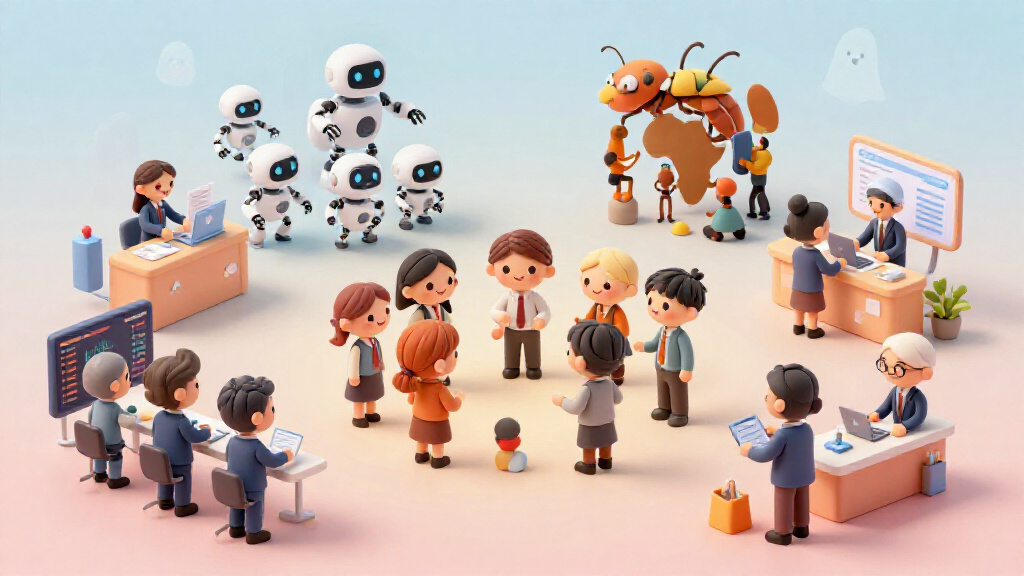
Artificial intelligence (AI) is having a profound impact on various sectors, from education to retail. In Princeton Public Schools, administrators are navigating the benefits and challenges of AI, providing teacher training and investing in AI infrastructure to enhance education without replacing human teachers.
Meanwhile, researchers have developed an AI-powered worm that can autonomously attack, adapt, and self-replicate, posing a new threat to cybersecurity. This has sparked a conversation about breach readiness, now a boardroom discussion. In response, unions are preparing for the 2028 elections, focusing on AI anxiety and its impact on jobs.
The business world is also feeling the effects of AI. CEOs are reevaluating AI spending due to rising costs, with some companies considering token limits, selective AI deployment, and cheaper models to manage expenses. In contrast, European stocks are expected to sustain their rally if there's a slowdown in AI investments, according to UBS strategist Bhanu Baweja.
AI is also transforming industries such as real estate, where it can handle document-heavy workflows and tasks like underwriting and permitting. However, trust and human judgment remain critical. In Africa, there's an opportunity for agentic AI, but it requires investment in African talent, data infrastructure, and economic development.
As AI continues to evolve, it's changing the role of store associates in retail, shifting their focus from cashiering to clienteling, styling, and brand ambassadorship. Retailers are seeing stronger AI results with unified commerce platforms and clean data. The technology is also being applied in hospitality, with companies like Abra developing AI-powered guest intelligence platforms.
Key Takeaways
• Princeton Public Schools are investing in AI infrastructure and providing teacher training to navigate AI's impact on education. • Researchers have developed an AI-powered worm that can autonomously attack, adapt, and self-replicate, posing a new cybersecurity threat. • Unions are preparing for the 2028 elections, focusing on AI anxiety and its impact on jobs. • CEOs are reevaluating AI spending due to rising costs, considering cost management strategies. • European stocks may sustain their rally if there's a slowdown in AI investments. • AI is transforming industries such as real estate, handling document-heavy workflows and tasks. • Africa has an opportunity for agentic AI, but needs investment in talent, data infrastructure, and economic development. • AI is changing the role of store associates in retail, shifting their focus to clienteling and brand ambassadorship. • Retailers see stronger AI results with unified commerce platforms and clean data. • The hospitality industry is applying AI, with companies like Abra developing AI-powered guest intelligence platforms.Princeton Schools Adapt to AI
The Princeton Public Schools are dealing with the impact of artificial intelligence (AI) on education. While AI has benefits like personalized learning and automated tasks, it also poses challenges. The schools are providing training for teachers, investing in AI infrastructure, and developing policies to address AI's impact. They aim to use AI to improve education without replacing human teachers.
AI Worms Are Here, Are You Ready?
Researchers have developed an AI-powered worm that can autonomously attack, adapt, and self-replicate. This new threat uses large language models to generate tailored attack strategies. Defenders face an economic asymmetry as attackers have a low cost per infection. The conversation about breach readiness is now a boardroom discussion.
Unions Prepare for AI Battle
Unions are preparing for the 2028 elections, focusing on artificial intelligence. AI anxiety is a major concern, and unions are strategizing their response. They aim to address workers' concerns about AI's impact on jobs.
European Stock Rally Needs AI Slowdown
UBS strategist Bhanu Baweja says European stocks will sustain their rally if there's a slowdown in AI investments. He believes a broadening of capital expenditures beyond AI is necessary. This will help extend the equity rally in Europe.
AI Evolution: From Chatbots to Collaborators
Artificial intelligence is evolving from simple chatbots to systems managing complex business processes. AI can now handle document-heavy workflows and tasks like underwriting and permitting. However, trust and human judgment remain critical. The real estate industry is exploring AI applications in transaction management and fraud prevention.
Africa's AI Opportunity
Africa can thrive with agentic AI, but it needs investment in African talent, data infrastructure, and economic development. Currently, AI tools used in Africa rely heavily on Western datasets, which don't reflect African populations. The continent must develop its AI strategies and innovation to benefit from AI.
CEOs Reverse AI Spending
CEOs are reevaluating AI spending due to rising costs. Employees have become hooked on AI coding tools, but the expenses are spiraling out of control. Companies are now considering token limits, selective AI deployment, and cheaper models to manage costs.
Student Response to Berkeley Law's AI Ban
A student at Berkeley Law School, Lakshita Bhargava, responded to the school's AI ban. She suggested an ideal AI policy should help students use AI productively, protect educational integrity, and require meaningful disclosure of AI use. Bhargava emphasized the importance of transparency in AI use.
AI Changes Store Associate Roles
AI is reshaping the role of store associates in retail, shifting their focus from cashiering to clienteling, styling, and brand ambassadorship. AI helps remove friction at the point of sale and enhances the customer experience. Retailers see stronger AI results with unified commerce platforms and clean data.
Maui Tech 'Ohana Hosts AI Startup
Maui Tech 'Ohana will host the founders of Abra, an AI-powered guest intelligence platform for hospitality. The event will discuss AI in hospitality, lessons from building a venture-scale AI startup, and the value of Hawaii's growing tech ecosystem.
Sources
- As Artificial Intelligence Surges Ahead, the Princeton Public Schools Wrestle with the Consequences – Not All of Them Bad
- Autonomous, Adaptive AI Worms Are Here. Are You Breach Ready Yet?
- Unions prepare for battle over AI in 2028 elections
- UBS’s Baweja Says AI Stumble Key to Longer European Stock Rally
- From Chatbots to Collaborators: AI’s Next Era
- How Africa can thrive with agentic AI
- CEOs Now Being Forced to Reverse Course, Cut AI Spending
- A Student’s Response to Berkeley Law’s AI Ban
- The Store Associate Isn’t Going Away. AI Is Changing the Job Instead
- Maui Tech ʻOhana to host founders of AI hospitality startup
Comments
Please log in to post a comment.