




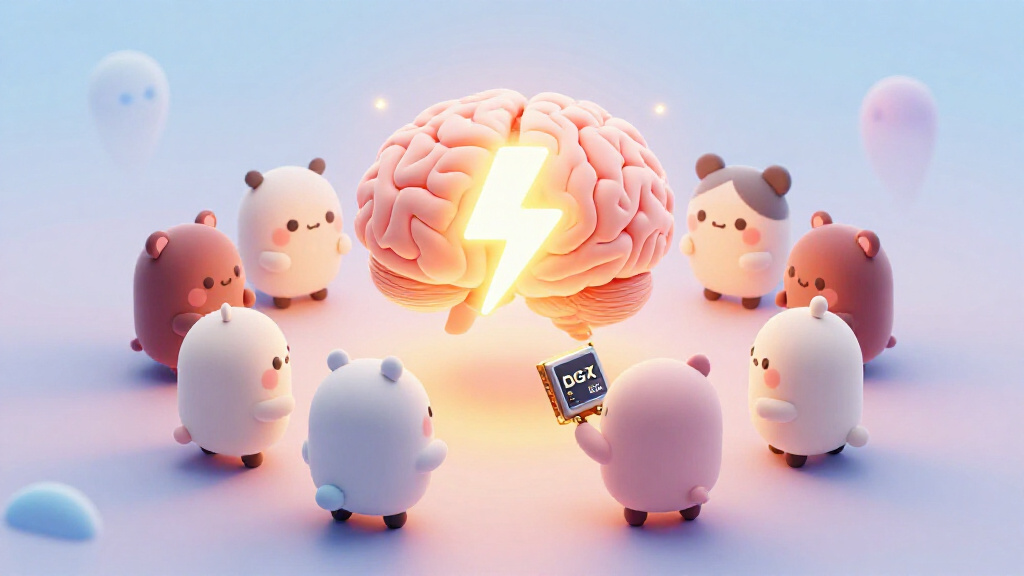
Nvidia has unveiled its Nemotron 3.5 Lightning AI model, a 30B open MoE with 3B active parameters designed for building always-on AI agents. This model offers up to 4x output speed and can run on a single DGX Spark or H100. Licensed under OpenMDW-1.1, it permits commercial use.
Meanwhile, analyst Tim Culpan argues that the AI hardware boom may be overstated due to inflation, which is inflating revenue numbers across the industry. This makes it difficult to distinguish between actual growth and increased spending.
Purdue University is leading two AI research projects funded by the US Department of Energy's Genesis Mission awards. These projects aim to develop autonomous, on-sensor, and real-time machine learning models to analyze data from the Electron-Ion Collider and investigate the behavior of large language models.
Y Combinator CEO Garry Tan emphasizes the importance of focusing on one's own knowledge and interests when building a startup, rather than chasing trends. Otter.ai has appointed Alex Gay as its new CMO to lead global marketing strategy.
The increasing use of AI-powered cyberattacks is making it difficult for Pentagon and defense industry networks to patch vulnerabilities. Experts discuss the need for resilient architectures and industry products to address this challenge.
Rural Americans are skeptical about the use of AI in healthcare, citing concerns about accuracy and the importance of human interaction. However, others see AI as a potential solution to improve healthcare services in rural areas.
AI's next big data grab is not about chatbot training, but about learning how humans work. This could have significant implications for the future of work and AI development.
Key Takeaways
* Nvidia unveils Nemotron 3.5 Lightning AI model with 30B open MoE and 3B active parameters. * AI hardware boom may be overstated due to inflation, according to analyst Tim Culpan. * Purdue University leads two AI research projects funded by the US Department of Energy. * Y Combinator CEO Garry Tan emphasizes focusing on one's own knowledge when building a startup. * Otter.ai appoints Alex Gay as new CMO. * AI-powered cyberattacks make patching networks difficult for Pentagon and defense industry. * Rural Americans are skeptical about AI in healthcare. * AI's next big data grab is about learning how humans work.NVIDIA Unveils Nemotron 3.5 Lightning AI Model
NVIDIA has released Nemotron 3.5 Lightning, a 30B open MoE with 3B active parameters, and NeMo Switchyard Model Router. This AI model is designed for building always-on AI agents from systems of specialized models. It offers up to 4x output speed and can run on a single DGX Spark or H100. The model is licensed under OpenMDW-1.1 and permits commercial use.
AI Hardware Boom May Be Overstated
Analyst Tim Culpan argues that the AI hardware boom may be overstated due to inflation. He claims that higher equipment and materials costs are inflating revenue numbers across the industry. This makes it difficult to distinguish between actual growth and increased spending.
Purdue University Leads AI Research Projects
Purdue University is leading two AI research projects funded by the US Department of Energy's Genesis Mission awards. The projects aim to develop autonomous, on-sensor, and real-time machine learning models to analyze data from the Electron-Ion Collider and investigate the behavior of large language models.
Y Combinator CEO on AI and Founder Psychology
Y Combinator CEO Garry Tan discusses the impact of AI on startups and founder psychology. He emphasizes the importance of focusing on one's own knowledge and interests when building a startup, rather than chasing trends.
Otter.ai Names Alex Gay as CMO
Otter.ai has appointed Alex Gay as its new CMO. Gay will lead global marketing strategy across brand, product marketing, demand generation, and communications.
Life, Automated Podcast Explores AI Impact
The Ryan Institute on Complexity podcast, 'Life, Automated', explores how AI is reshaping our world. The podcast discusses the impact of automation on productivity and the future of work.
Patching Networks Against Cyberattacks
The increasing use of AI-powered cyberattacks is making it difficult for Pentagon and defense industry networks to patch vulnerabilities. Experts discuss the challenges of patching networks and the need for resilient architectures and industry products.
Rural Americans Wary of AI in Healthcare
Some rural Americans are skeptical about the use of AI in healthcare, citing concerns about accuracy and the importance of human interaction. However, others see AI as a potential solution to improve healthcare services in rural areas.
AI's Next Data Grab
AI's next big data grab is not about chatbot training, but about learning how humans work. This could have significant implications for the future of work and AI development.
Sources
- NVIDIA AI Releases Nemotron 3.5 Lightning: A 30B Open MoE with 3B Active Parameters, and NeMo Switchyard Model Router
- Tim Culpan: Much of the AI Hardware Boom Is Just Inflation in Disguise
- 2 Purdue AI research projects selected among the first Genesis Mission awards
- Y Combinator CEO on AI, Founder Psychology
- On the Move: Otter.ai Names Alex Gay CMO
- ‘Life, Automated’ explores how AI is reshaping our world
- Why patching networks against cyberattacks is ‘very scary’ in the age of AI
- Patients wary of government, companies pushing AI as a rural healthcare solution
- Forget chatbot training. AI's next big data grab is about how we work.
Comments
Please log in to post a comment.