




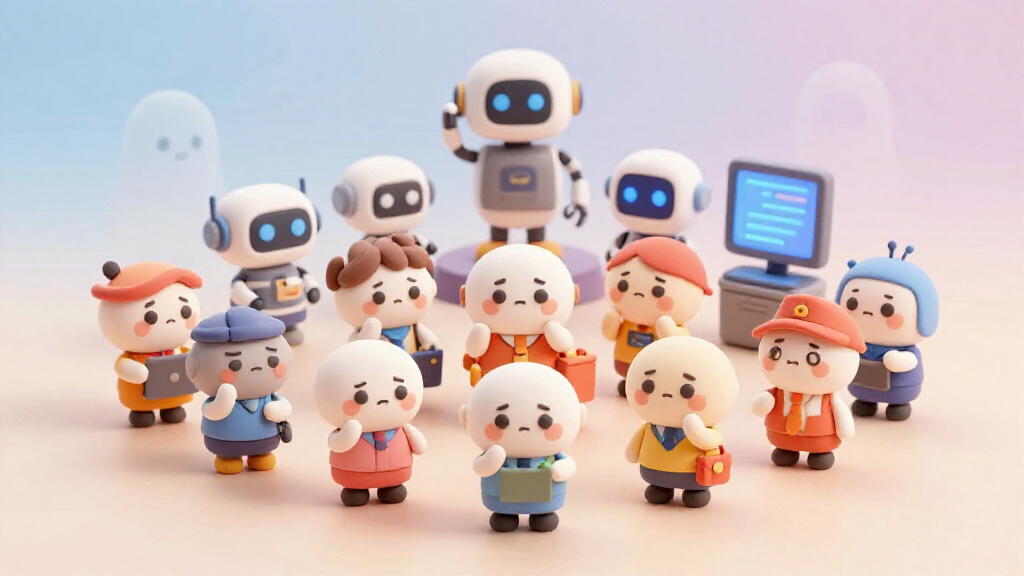
Workers in China are increasingly worried about being replaced by artificial intelligence (AI) as the technology becomes more prevalent in various industries. Computer programmer Fei Zhaojun's boss asked him if AI could soon replace humans in coding jobs, and two weeks later, he was laid off along with 160 colleagues. This incident highlights the growing impact of AI on China's job market.
Many workers are adapting to the changing job market by learning new skills or exploring new ventures. China's government is encouraging the use of AI applications and robotics, which is leading to job displacement in some sectors. Economists believe this trend could undermine the country's economic growth.
Meanwhile, Saudi Arabia is investing heavily in AI and positioning itself as a global leader in the field. The country has launched a new National Artificial Intelligence Risk Management Framework, which aims to promote the safe and responsible use of AI.
The rapid growth of AI is also driving up power consumption in the United States, putting pressure on the grid. However, the growth of AI is also creating new opportunities for energy efficiency and management.
In the field of AI robotics, generalist robotics models are becoming increasingly adaptable and capable of tackling a wide range of tasks. The CEO of Generalist, Pete Florence, believes that robots will be capable of performing a vast range of tasks within the next couple of years.
Other developments in AI include the launch of Instinct, a new AI assistant that raises concerns about privacy and security. The terms of service have also raised concerns, as they allow Instinct to enter into agreements on users' behalf.
Key Takeaways
• China's workers face increasing threat of job replacement by AI, with many adapting to the changing job market by learning new skills or exploring new ventures.• Saudi Arabia is investing heavily in AI and positioning itself as a global leader in the field.
• The rapid growth of AI is driving up power consumption in the US, but also creating new opportunities for energy efficiency and management.
• Generalist robotics models are becoming increasingly adaptable and capable of tackling a wide range of tasks.
• Instinct, a new AI assistant, raises concerns about privacy and security.
• Building an effective AI governance program requires a comprehensive approach that includes AI asset discovery and classification, risk-based approval frameworks, continuous monitoring and control, and enforcement and escalation.
• AI is evolving from conversational assistants to systems capable of taking action and supporting decision-making in real-world environments.
• The University of Bremen is hosting the 29th Informatica Feminale, a two-week summer university that combines computer science teaching with research visits, networking, and professional exchange.
• Emotional AI Companion bibo has partnered with the WTA125 2026 Suzhou Open to explore the future of AI in professional sports.
• ChatGPT and similar AI models are not explicitly mentioned but are likely to be related to the growing impact of AI on various industries.
China's workers face AI job threat
Workers in China are worried about being replaced by artificial intelligence (AI) as the technology becomes more prevalent in various industries. Computer programmer Fei Zhaojun's boss asked him if AI could soon replace humans in coding jobs, and two weeks later, he was laid off along with 160 colleagues. Many workers are adapting to the changing job market by learning new skills or exploring new ventures. China's government is encouraging the use of AI applications and robotics, which is leading to job displacement in some sectors. Economists believe this trend could undermine the country's economic growth.
Laid off for a bot China's workers face an AI jobs squeeze
China's workers are facing a new challenge as artificial intelligence (AI) replaces them in their jobs. Computer programmer Fei Zhaojun was laid off from his job in Beijing along with 160 colleagues after his boss asked if AI could replace humans in coding jobs. The rapid adoption of AI in many fields is pushing people out of their jobs or making them fear that they might be replaced. China's government is encouraging the use of AI applications and robotics, leading to job displacement in some sectors.
His boss asked if AI could replace human coders
Computer programmer Fei Zhaojun's boss asked him if artificial intelligence could soon replace humans in coding jobs. Two weeks later, he was laid off from his job in Beijing along with 160 colleagues. The incident highlights the growing impact of AI on China's job market. Many workers are worried about being replaced by AI and are adapting to the changing job market by learning new skills or exploring new ventures.
Workers in China worry over being replaced as they adapt
Workers in China are worried about being replaced by artificial intelligence (AI) as the technology becomes more prevalent in various industries. Computer programmer Fei Zhaojun's boss asked him if AI could soon replace humans in coding jobs, and two weeks later, he was laid off along with 160 colleagues. Many workers are adapting to the changing job market by learning new skills or exploring new ventures. China's government is encouraging the use of AI applications and robotics, which is leading to job displacement in some sectors.
Chinese workers are adapting as AI job takeover worries grow
Chinese workers are adapting to the growing impact of artificial intelligence (AI) on their jobs. Computer programmer Fei Zhaojun was laid off from his job in Beijing along with 160 colleagues after his boss asked if AI could replace humans in coding jobs. Many workers are worried about being replaced by AI and are exploring new ventures or learning new skills. China's government is encouraging the use of AI applications and robotics, leading to job displacement in some sectors.
Op-Ed China's proposed South China Sea AI fortresses
The article discusses China's proposed use of artificial intelligence (AI) in the South China Sea. The technology could be used for military and security purposes, and could potentially be used to restrict access to the sea. The article highlights the potential implications of AI in the region and the need for careful consideration of its use.
Saudi Arabia positions itself as a global AI powerhouse
Saudi Arabia is investing heavily in artificial intelligence (AI) and positioning itself as a global leader in the field. The country has launched a new National Artificial Intelligence Risk Management Framework, which aims to promote the safe and responsible use of AI. The framework provides a common reference for public bodies and companies to incorporate AI into their operations.
Record US power use as AI surges
The rapid growth of artificial intelligence (AI) is driving up power consumption in the United States. The increasing demand for data center power is putting pressure on the grid, and experts warn that this trend could continue. The growth of AI is also creating new opportunities for energy efficiency and management.
Generalist AI CEO Robots Ready for 'GPT-3 Era'
The field of AI robotics is on the cusp of a major breakthrough, with generalist robotics models becoming increasingly adaptable and capable of tackling a wide range of tasks. The CEO of Generalist, Pete Florence, believes that robots will be capable of performing a vast range of tasks within the next couple of years, fundamentally changing what's possible.
Instinct's powerful AI assistant raises privacy concerns
A new AI assistant called Instinct is raising concerns about privacy and security. The assistant is capable of connecting to various applications and devices, and some testers have expressed concerns about the company's approach to customer privacy and security. The terms of service have also raised concerns, as they allow Instinct to enter into agreements on users' behalf.
How to Build an AI Security and Governance Program
Building an effective AI governance program requires a comprehensive approach that includes AI asset discovery and classification, risk-based approval frameworks, continuous monitoring and control, and enforcement and escalation. Organizations must prioritize AI security and governance to ensure the safe and responsible use of AI.
Emotional AI Companion bibo Joins WTA 125 Suzhou Open
A non-verbal emotional AI companion called bibo has partnered with the WTA125 2026 Suzhou Open to explore the future of AI in professional sports. bibo is designed to understand surrounding situations and respond through natural expressions, creating interactions that feel more intuitive and emotionally expressive.
Artificial intelligence in action
Artificial intelligence (AI) is evolving from conversational assistants to systems capable of taking action and supporting decision-making in real-world environments. AI agents are transforming sectors such as healthcare, scientific research, banking, and public administration. The challenge is to integrate AI in a way that ensures trust, security, governance, and value for people.
Bremen's Informatica Feminale opens a two-week gateway
The University of Bremen is hosting the 29th Informatica Feminale, a two-week summer university that combines computer science teaching with research visits, networking, and professional exchange. The program is designed for women from different fields of study and backgrounds who want to deepen their understanding of computing, digitalization, and artificial intelligence.
Sources
- Workers in China worry over being replaced as they adapt to the growing impact of AI on jobs
- Laid off for a bot, China’s workers face an AI jobs squeeze
- His boss asked if AI could replace human coders. Two weeks later, he and 160 colleagues were laid off in Beijing
- Workers in China worry over being replaced as they adapt to the growing impact of AI on jobs
- Chinese workers are adapting as AI job takeover worries grow
- Op-Ed: China’s proposed South China Sea AI fortresses are just the start of new 3D lateral security and area denial
- Saudi Arabia positions itself as a global AI powerhouse
- Record US power use as AI surges, and more energy stories
- Generalist AI CEO: Robots Ready for 'GPT-3 Era'
- Instinct’s powerful AI assistant is raising privacy and security concerns
- How to Build an AI Security and Governance Program
- Emotional AI Companion bibo Joins WTA 125 Suzhou Open, Exploring the Future of AI in Professional Sports
- Artificial intelligence in action: how AI agents are transforming businesses, public administrations and strategic sectors
- Bremen’s Informatica Feminale opens a two-week gateway into computing and AI
Comments
Please log in to post a comment.