




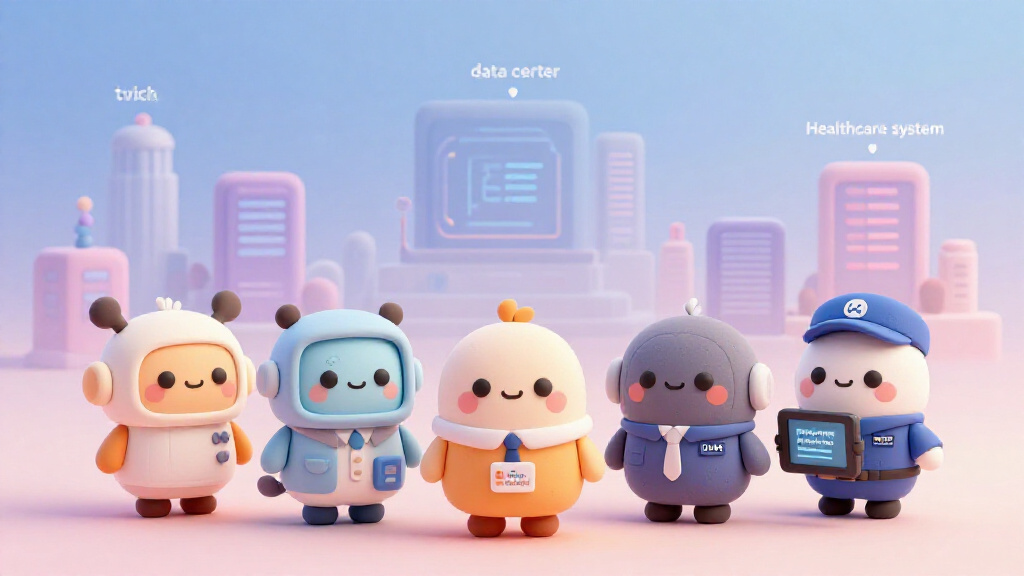
Amazon has confirmed that it will use Twitch streams to train its AI models by default, unless users opt-out. The move has sparked controversy and raised questions about platform power and user consent. Twitch's CPO Mike Minton admitted that opt-in wasn't a viable option.
Meanwhile, a government audit found that Korea's $1.1 billion AI training project was flawed, with duplicate and unusable data. The project aimed to build datasets for AI training, but many datasets were found to be similar or unusable.
In other news, India is integrating AI skills into its vocational training programs, introducing AI-related qualifications and micro-credentials to help build a larger AI workforce. The US Air Force is also exploring the use of AI to predict aircraft failures and improve maintenance.
The growth of AI is creating a paradox: while AI has the potential to increase productivity, it also poses challenges such as job displacement and increased inequality. The development of agentic AI is shifting the balance between CPU and GPU demand in data centers, requiring more balanced hardware configurations.
A recent survey found that AI adoption varies significantly across healthcare systems, with larger systems more likely to be scaling AI, while smaller systems struggle with implementation costs and limited resources. Wall Street has reached a record high due to a surge in AI stocks and easing inflation concerns.
Key Takeaways
• Amazon will use Twitch streams to train AI models by default, sparking controversy over user consent. • Korea's $1.1 billion AI training project was flawed, with duplicate and unusable data. • India is integrating AI skills into vocational training programs. • The US Air Force is exploring AI for aircraft maintenance. • AI adoption varies across healthcare systems, with larger systems more likely to scale AI. • Agentic AI is shifting CPU-GPU ratios in data centers. • Wall Street has reached a record high due to AI stocks and easing inflation concerns. • The growth of AI poses challenges such as job displacement and increased inequality. • The development of agentic AI requires more balanced hardware configurations. • AI has the potential to transform industries, but also raises questions about the future of work and the role of humans in AI systems.Amazon defaults Twitch streams for AI training
Amazon will use Twitch streams to train its AI models by default, unless users opt-out. The move has sparked backlash from creators who feel betrayed by the decision. Twitch's CPO Mike Minton admitted that opt-in wasn't a viable option. The controversy raises questions about platform power and user consent.
Twitch confirms Amazon uses livestreams for AI training
Twitch has confirmed that Amazon is using its livestreams to train AI models. The move is part of Amazon's efforts to develop its AI capabilities. Users can opt-out of the program, but critics argue that the default setting is unfair.
Healthcare AI adoption trends and implications
A recent survey found that AI adoption varies significantly across healthcare systems. Larger health systems are more likely to be scaling AI, while smaller systems struggle with implementation costs and limited resources. The survey highlights the need for tailored approaches to AI adoption.
Korea's $1.1 billion AI training project flawed
A government audit found that Korea's AI training project had duplicate and unusable data. The project spent $1.1 billion to build datasets for AI training, but many datasets were found to be similar or unusable.
India pushes AI skills into mainstream education
India is integrating AI skills into its vocational training programs. The government has introduced AI-related qualifications and micro-credentials to help build a larger AI workforce.
The AI growth paradox
The growth of AI is creating a paradox: while AI has the potential to increase productivity, it also poses challenges such as job displacement and increased inequality. Policymakers and business leaders must navigate this paradox to ensure that the benefits of AI are shared broadly.
Wall Street flirts with a record high
Wall Street has reached a record high due to a surge in AI stocks and easing inflation concerns. The growth of AI has been a major driver of the market, with investors betting on the technology's potential to transform industries.
Air Force explores AI for aircraft maintenance
The US Air Force is exploring the use of AI to predict aircraft failures and improve maintenance. The technology has the potential to improve fleet availability and reduce maintenance costs.
The future of AI agents
The development of agentic AI is shifting the balance between CPU and GPU demand in data centers. The technology has the potential to transform industries, but also raises questions about the future of work and the role of humans in AI systems.
CPU-GPU ratios shift with agentic AI
The rise of agentic AI is shifting CPU-GPU ratios in data centers, with a trend towards more balanced hardware configurations. The technology requires more CPU power, which could change the way hardware is provisioned and used.
Sources
- Amazon scrapes Twitch streams for AI training—opt-out only
- Twitch confirms Amazon is training its AI models on livestreams
- Key Trends and Implications in Healthcare AI Adoption
- Korea audit finds duplicate, unusable data in $1.1 billion AI training project
- India pushes AI skills into mainstream vocational training
- Intelligence vs. Expertise in AI Agents
- Wall Street flirts with a record after AI stocks jump and worries about inflation ease a bit
- Air Force explores AI tools to predict aircraft failures, strengthen sustainment
- The AI Growth Paradox
- Agentic AI Shifts CPU-GPU Ratios, AMD Says
Comments
Please log in to post a comment.